Sanara Tulum and the rise of small luxury stays on a budget
Sanara Tulum became a symbol of small luxury on the Caribbean coast. For travellers using a premium booking website for budget hotels, its story shows how a small property can feel like a five star sanctuary without excess. In Tulum and across Quintana Roo, this balance between price and experience now shapes how guests choose every hotel and room.
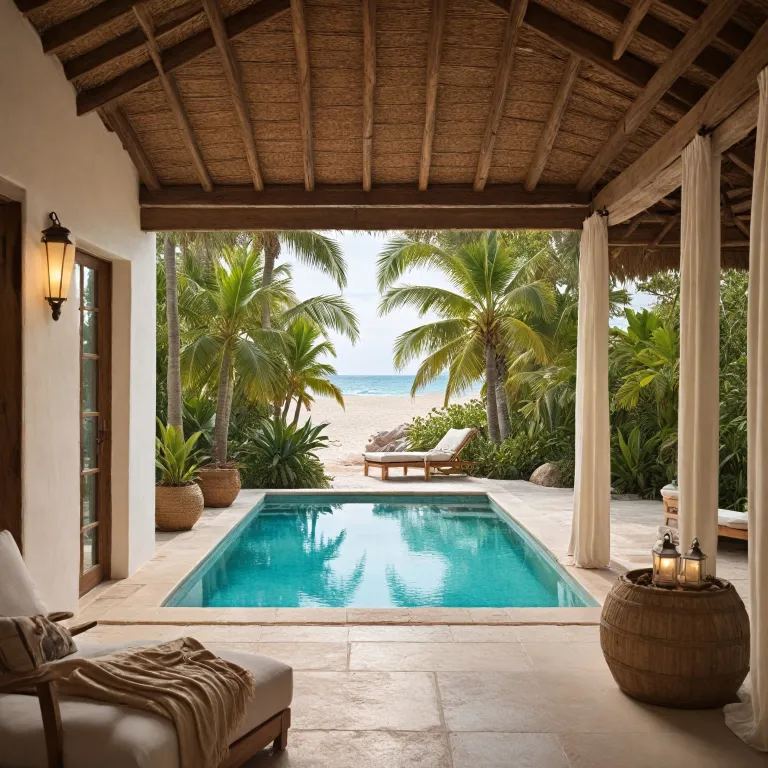
Sanara Tulum was an eco focused luxury hotel located on the Tulum beachfront, framed by jungle and the Caribbean Sea. The property offered only a limited number of rooms, which helped keep the atmosphere intimate while still appealing to guests comparing many hotels in the same area. For travellers, this kind of tulum small retreat proves that a carefully designed room with thoughtful services can rival larger resorts.
On a modern booking platform, filters for pool access, free internet, safe deposit options, and wellness services help travellers refine choices quickly. Sanara Tulum answered these needs with a swimming pool, beach access, and a focus on curative hospitality that resonated with wellness minded guests. When a small luxury property aligns its services with clear online filters, it becomes easier for travellers to justify a slightly higher nightly rate.
The founders positioned Sanara Tulum as a place where design, wellness, and the surrounding Maya heritage met. This approach attracted guests who might usually select a larger luxury hotel but were curious about a more personal experience. For budget conscious travellers, a tulum small property like this can feel indulgent yet still manageable when booked strategically in shoulder seasons.
Wellness, curative hospitality, and what they mean for value seekers
Sanara Tulum built its reputation around wellness, a concept that now strongly influences how travellers compare hotels online. On a premium booking website for budget hotels, filters for spa services, yoga spaces, and healthy restaurant options increasingly sit beside classic criteria like beds, room size, and pool access. Understanding how these elements add value helps guests read beyond star ratings and nightly prices.
At Sanara Tulum, the idea of curative hospitality guided every detail of the property. According to the founders, "'Curative hospitality' refers to providing nurturing havens that offer serene accommodations, curated nourishment, physical care, and opportunities for sacred introspection." For travellers, this means that a king suite or standard room is not just a place to sleep but a space designed to support rest, reflection, and physical wellbeing.
Wellness focused hotels in Tulum and wider Quintana Roo often integrate the surrounding Maya culture into their services. Guests might join sunrise yoga facing the sea, then enjoy plant forward menus in the restaurant that respect local ingredients and traditions. When these experiences are clearly described on a booking platform, they help justify rates that may be higher than a typical budget hotel yet still accessible compared with ultra luxury resorts.
Value seekers should look for specific wellness inclusions rather than vague promises. Clear mentions of free toiletries, high quality beds, safe deposit boxes, and reliable internet sit alongside spa menus and movement classes to create a complete picture. In this way, a tulum small property with a swimming pool and focused wellness services can compete directly with larger hotels while remaining within a carefully planned travel budget.
Rooms, safety, and smart details that matter when booking Sanara-style stays
For travellers inspired by Sanara Tulum, the real test of value lies inside the rooms. On any luxury hotel listing, it is essential to look closely at how beds, extra beds, and storage are configured, especially in a king suite or family friendly category. A small property that clearly explains these details often delivers a smoother stay than a larger, less transparent resort.
Sanara Tulum offered a limited number of rooms, which encouraged careful design and thoughtful amenities. Guests could expect features such as safe deposit solutions, sometimes described as a deposit box or safe deposit box, to protect passports and valuables. When comparing hotels in Tulum or elsewhere in Quintana Roo, always confirm that each room category includes a secure deposit box and clear information about any extra beds or child policies.
Connectivity and comfort also play a central role in perceived luxury. Reliable free internet, quality linens, and well designed bathrooms with free toiletries can elevate even a modestly sized room into a premium experience. On a booking website, these elements should appear in the services section, alongside information about the pool, twenty four hour support, and any special box hour arrangements for late arrivals or luggage storage.
Travellers should also pay attention to how rooms relate to the wider property. In a tulum small retreat, proximity to the swimming pool, restaurant, and bar can enhance convenience, while thoughtful soundproofing preserves tranquillity. By reading guest reviews and detailed room descriptions, visitors can select the exact combination of beds, views, and services that echo the Sanara Tulum approach without exceeding their planned budget.
Dining, bars, and the role of culinary experiences in perceived luxury
Culinary experiences strongly influence how guests remember a stay, especially in destinations like Tulum. Sanara Tulum became known for its focus on nourishing menus that aligned with its wellness philosophy, showing how a restaurant can define a property’s identity. On a premium booking website for budget hotels, careful reading of dining descriptions helps travellers gauge whether a hotel’s bar and restaurant will truly enhance their trip.
Across Quintana Roo, travellers now encounter a wide spectrum of dining concepts, from casual raw bar counters to elaborate prime steakhouse venues. Some properties experiment with hybrid ideas such as a steakhouse raw concept, where seafood and grilled dishes share the spotlight. Names like raw bar, prime steakhouse, or even playful references such as harry prime, bak harry, or star lula may appear in marketing, yet the key is to understand how these translate into real menus and prices.
For value conscious guests, the goal is to enjoy luxury level flavours without constant splurging. A tulum small property might offer a beachside bar with refined snacks, a restaurant serving local fish, and perhaps a lula inspired plant forward menu that nods to concepts like lula tulum or hotel lula branding. When these options are clearly priced and described, travellers can plan which meals to enjoy on site and when to explore nearby eateries in Tulum town or along the coast.
Drinks and bar culture also shape the atmosphere of a property. A well run bar with fresh juices, thoughtful cocktails, and attentive services can make evenings by the swimming pool feel indulgent even in a modestly priced hotel. When browsing listings, look for mentions of happy hour timings, bar snacks, and any links between the restaurant philosophy and the overall wellness or luxury positioning of the property.
Location, transport, and using booking platforms to read the Tulum landscape
Sanara Tulum’s beachfront setting in the Tulum hotel area highlighted how location can transform a stay. For travellers comparing options on a premium booking website for budget hotels, understanding where a property is located in relation to beaches, archaeological sites, and transport routes is essential. A small luxury retreat on the sand offers a different rhythm from a hotel in Tulum town, even if both share similar room sizes and services.
The wider region of Quintana Roo stretches from Cancún down past Playa del Carmen to Tulum and beyond. Some travellers may even combine stays, moving from a carmen Quintana base in Playa del Carmen to a tulum small property further south. When planning such itineraries, booking platforms help guests compare not only nightly rates but also transfer times, parking options, and access to public transport or bicycle rentals.
Sanara Tulum’s story also reflects how rapid development can reshape a destination. As more hotels appear along the coast, travellers must read maps carefully, checking how close each property sits to the main road, the beach, and any noisy venues. A small luxury hotel slightly set back from the busiest strip may offer better sleep, especially if rooms include good soundproofing and safe deposit boxes for peace of mind.
When evaluating listings, pay attention to how the property describes its connection to the surrounding Maya heritage and natural environment. References to cenotes, jungle paths, and guided visits to Maya sites can indicate a more thoughtful approach to place. For additional inspiration on atmospheric stays, including those with special in room features, travellers can consult resources such as this guide to hotels offering particularly memorable rooms, then adapt those expectations to the tropical context of Tulum.
From Sanara Tulum to Sanará Sanctuaries: what travellers should watch next
The sale of Sanara Tulum to a new operator marked a turning point, but the philosophy behind the property continues to evolve. The original founders are now focusing on Sanará Sanctuaries, a concept that aims to bring curative hospitality to carefully chosen locations, particularly in Europe. For travellers, this evolution offers a blueprint for how small luxury ideas can travel across borders while still appealing to guests using premium booking platforms for budget conscious stays.
As Sanará Sanctuaries emerge, guests can expect the same emphasis on serene rooms, nourishing restaurant concepts, and attentive services. Whether the property is located on a European coastline or in a historic town, the core principles tested in Tulum remain relevant. Travellers should look for familiar signals such as limited room counts, strong wellness programming, and clear information about amenities like swimming pool access, free internet, and safe deposit facilities.
For booking websites, the challenge is to present these nuanced experiences in a way that helps guests compare them fairly with more conventional hotels. Detailed descriptions of king suite layouts, extra beds policies, bar offerings, and any raw bar or steakhouse raw concepts will support informed decisions. When a listing clearly explains how its services echo the Sanara Tulum approach, travellers can confidently allocate a slightly higher budget to secure a more meaningful stay.
Ultimately, the legacy of Sanara Tulum shows that luxury does not always mean grand scale or excessive formality. A tulum small property with well designed rooms, a thoughtful bar and restaurant, and a genuine connection to its Maya and Caribbean setting can feel as special as a large resort. By reading booking platforms carefully and focusing on concrete details, travellers can find their own version of a small luxury sanctuary, whether in Quintana Roo, carmen Quintana surroundings, or future Sanará Sanctuaries abroad.
Key figures shaping wellness focused and small luxury hospitality
- Sanara Tulum operated with a compact inventory of 19 rooms, illustrating how a small property can still achieve global recognition in the luxury hotel segment.
- The Tulum corridor in Quintana Roo has seen rapid growth in wellness oriented hotels, increasing the importance of clear online information about services, pool access, and room amenities.
- Travellers increasingly prioritise free internet, safe deposit options, and transparent room descriptions when comparing small luxury and budget friendly hotels in coastal areas.
Essential questions travellers ask about Sanara Tulum and similar stays
What is Sanará Tulum?
Sanará Tulum was an eco focused luxury hotel in Tulum, Mexico, known for its wellness offerings, including a spa, yoga studio, and a health driven restaurant concept that shaped its identity. The property combined a small number of rooms with direct beach access and curated services. Its approach continues to influence how travellers evaluate intimate, wellness oriented hotels across Quintana Roo.
Who founded Sanará Tulum?
Sanará Tulum was founded by British co owners Charlie Stuart Gay and Daniella Hunter, who were closely involved in the design and development of the property. Their vision centred on curative hospitality, integrating serene accommodations, mindful nourishment, and opportunities for reflection. This philosophy now informs the emerging Sanará Sanctuaries concept beyond Tulum.
Who purchased Sanará Tulum?
Sanará Tulum was purchased by Colibri Boutique Hotels, a group already active in the Tulum and wider Quintana Roo region. Under this new ownership, the physical property continues to operate within the local hotel landscape. Meanwhile, the original founders focus on expanding the Sanará brand into new destinations while preserving its wellness driven identity.