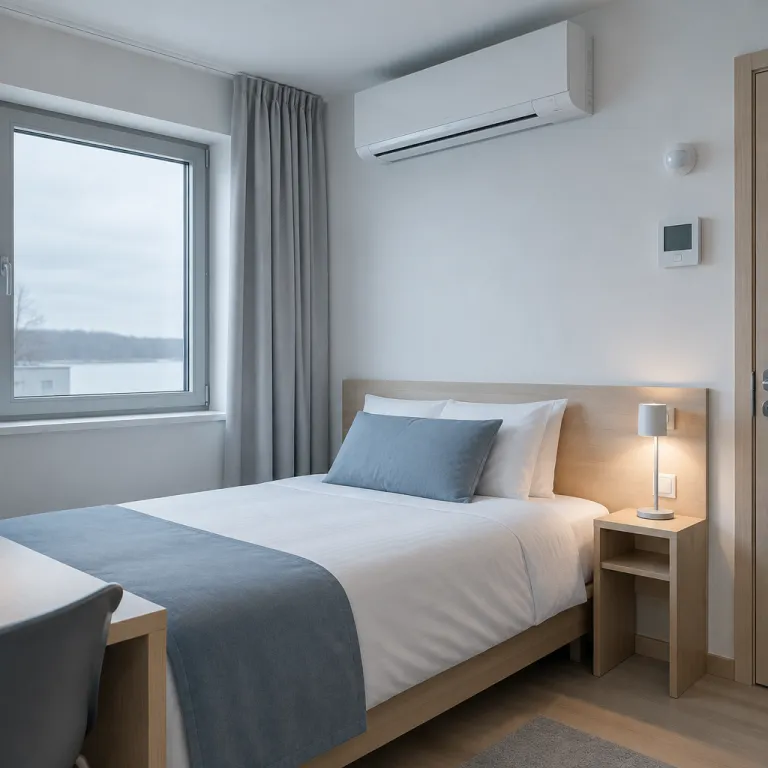
Why energy efficient economy hotel sustainability keeps prices honest
Energy efficient economy hotel sustainability starts long before you tap the keycard. When a hotel treats energy, water and waste as strategic line items rather than vague ideals, it can reduce operating costs without cutting into the guest experience, and those lower costs often translate into steadier room rates. For value focused couples, that means a clean, quiet room in a central neighbourhood where the savings come from smart systems, not from skimping on hospitality.
Look closely at the properties you shortlist and you will see a pattern. The most efficient hotels usually invest in insulated building envelopes, modern HVAC systems and LED lighting, because these reduce energy consumption and carbon emissions far more than cosmetic gestures ever could. Studies cited by the International Energy Agency suggest that switching from older bulbs to LEDs can cut lighting electricity use by around 50–70%, while well designed heating and cooling upgrades can trim overall building energy demand by 20–30% over time.
In the best cases, sustainability is treated as a business model rather than a marketing slogan. Management teams track water usage, food waste and waste reduction with the same discipline they apply to revenue, then reinvest the savings into better beds, quieter rooms and more responsive guest service. A midscale chain documented that basic efficiency retrofits and tighter utility monitoring reduced energy costs per occupied room by roughly 15% in three years, freeing budget for soundproofing and mattress upgrades. This is where energy efficient economy hotel sustainability aligns perfectly with your interests as a traveler, because efficient systems and sustainable practices support both comfort and long term affordability.
The efficiency measures that actually matter for your stay
Not every green label in hospitality signals meaningful sustainability, so it helps to know which systems really move the needle. Heating and cooling controls that respond to occupancy, well tuned HVAC systems and double glazed windows do more to reduce energy than any in room sign about reusing towels. When these efficient upgrades are in place, energy consumption drops, carbon emissions fall and the hotel can hold its rates without eroding service.
Lighting is another quiet hero of energy efficiency in economy hotels. LED fixtures in corridors, rooms and public spaces cut hotel energy demand dramatically, and when paired with motion sensors they provide energy saving benefits without leaving a guest fumbling in the dark. Industry benchmarks from groups such as ENERGY STAR indicate that replacing halogen or incandescent bulbs with LEDs can reduce lighting related electricity use by roughly half, and occupancy sensors often add a further 10–20% saving in low traffic areas.
Water systems deserve the same scrutiny from value conscious couples. Low flow showers and taps, dual flush toilets and smart irrigation can trim water usage without compromising pressure or comfort, which is where sustainable practices become tangible rather than theoretical. The U.S. Environmental Protection Agency notes that WaterSense labelled fixtures typically use about 20% less water than standard models, a reduction that compounds across hundreds of rooms and thousands of guest nights. If you want a deeper dive into how value travel is reshaping the hospitality industry, the analysis on quiet shifts in value travel shows how these operational decisions ripple through destinations and price structures.
From greenwashing to real savings: reading between the lines
Many hotels now talk about being green, yet only some embed sustainability into daily management. A laminated card about linen reuse can be a useful nudge, but it does little if the property still runs outdated boilers, leaky windows and inefficient HVAC systems behind the scenes. Energy efficient economy hotel sustainability is credible only when the building, the systems and the practices all point in the same direction.
When you evaluate properties on a premium booking platform, look beyond the headline claims. Serious hotels often publish data on energy consumption, water usage and waste reduction, and they may reference third party audits that verify carbon footprint calculations and carbon emissions reporting. These disclosures show that energy management and eco friendly operations are treated as measurable performance indicators, not as vague aspirations, and they echo the transparency encouraged by frameworks such as the Greenhouse Gas Protocol.
Independent certifications can also help you separate substance from theatre. Labels such as LEED for building performance or Green Key for hospitality practices focus on energy efficiency, water systems and waste management rather than just décor, and they require ongoing compliance rather than a one time checklist. A hotel manager at a certified property might sum it up simply: “We track every kilowatt hour and litre because what we save on utilities goes straight back into keeping rates fair.” For a curated list of properties where sustainable practices and real savings align, the guide to sustainable economy hotels with genuine savings highlights how efficient properties turn lower energy costs into better value for guests.
How efficiency keeps rates low on premium booking platforms
On a luxury and premium booking website for budget hotels, the most interesting properties are often the quiet overachievers. These are the hotels that treat energy efficient operations, water management and waste reduction as core strategy, then use the savings to keep nightly rates competitive in high demand districts. For couples who care about both sustainability and comfort, this is where energy efficient economy hotel sustainability becomes a practical filter rather than a vague ideal.
Behind the scenes, strong management teams track energy costs per occupied room, monitor hotel energy peaks and invest in renewable energy where the payback is clear. Solar panels for hot water, heat recovery systems in ventilation and modern HVAC systems that respond to occupancy all reduce energy use while maintaining stable indoor comfort. Industry case studies show that solar thermal systems can often supply 50–70% of a hotel’s hot water demand in sunny climates, while heat recovery can cut ventilation related energy use by around 20%, making utility bills more predictable.
Digital tools are sharpening this picture further. Some properties now use building management platforms that adjust lighting, temperature and ventilation in real time, which supports both energy saving goals and consistent guest comfort. As agentic search and automated booking tools evolve, platforms such as Google driven hotel selection for value travelers are likely to surface properties where energy efficiency, eco friendly practices and transparent sustainability data are part of the value proposition rather than an afterthought.
Your role as a guest in an energy smart economy hotel
Energy efficient economy hotel sustainability does not rest solely on engineering and management. As a guest, your choices around lighting, heating, cooling and water usage can either support or undermine the systems the property has invested in. The aim is not self denial, but thoughtful use that respects both the building and the wider environment.
Simple saving tips make a real difference when multiplied across many rooms. Turning off lights when you leave, setting the thermostat within a moderate range and closing windows while the air conditioning runs all help reduce energy demand without affecting comfort. Being mindful about shower length and towel changes also supports water systems and waste reduction, especially in destinations where water scarcity and high treatment costs are pressing issues.
Well run properties usually make these choices easy rather than preachy. Clear signage on how to use room controls, visible recycling points and honest communication about food waste policies signal that sustainability is integrated into hospitality, not bolted on. In many of these hotels, the same discipline that governs energy management and eco friendly operations also shows up in crisp housekeeping, reliable hot water and attentive yet unobtrusive service, which is exactly what value conscious couples appreciate after a long day in the city.
FAQ
How does an energy efficient economy hotel actually keep rates lower ?
Efficient hotels cut energy consumption, water usage and waste, which reduces operating costs per room. When management tracks energy costs and carbon emissions carefully, they can reinvest savings into maintenance instead of constant rate hikes. Over time, this operational discipline supports stable pricing while still funding upgrades that improve comfort.
Which sustainability features matter most when choosing a budget friendly hotel ?
The most impactful features are usually invisible at first glance. Look for modern HVAC systems, LED lighting, low flow fixtures and clear policies on food waste and recycling, because these reduce energy and water use significantly. Certifications that focus on building performance and sustainable practices across the property are also strong signals of serious commitment.
How can I tell if a hotel’s green claims are more than marketing ?
Credible properties share specific information about energy management, water systems and waste reduction rather than vague slogans. They may publish data on hotel energy use, carbon footprint and energy saving projects, sometimes backed by third party audits. When a hotel explains how its systems work and how it plans to reduce energy further, you are usually seeing substance rather than greenwashing.
Do my personal habits as a guest really make any difference ?
Your individual impact is small, but it scales quickly across many rooms and nights. Using heating and cooling thoughtfully, turning off unused lights and keeping showers reasonably short all support the hotel’s energy efficiency goals. These habits cost nothing, preserve comfort and help well designed systems deliver the sustainability performance they were built for.
Are energy efficient economy hotels less comfortable than traditional properties ?
In well managed properties, the opposite is often true. Modern insulation, responsive HVAC systems and smart lighting usually create more stable temperatures and quieter rooms than older, inefficient buildings. When sustainability is treated as a business model, comfort, reliability and value tend to improve together rather than compete.