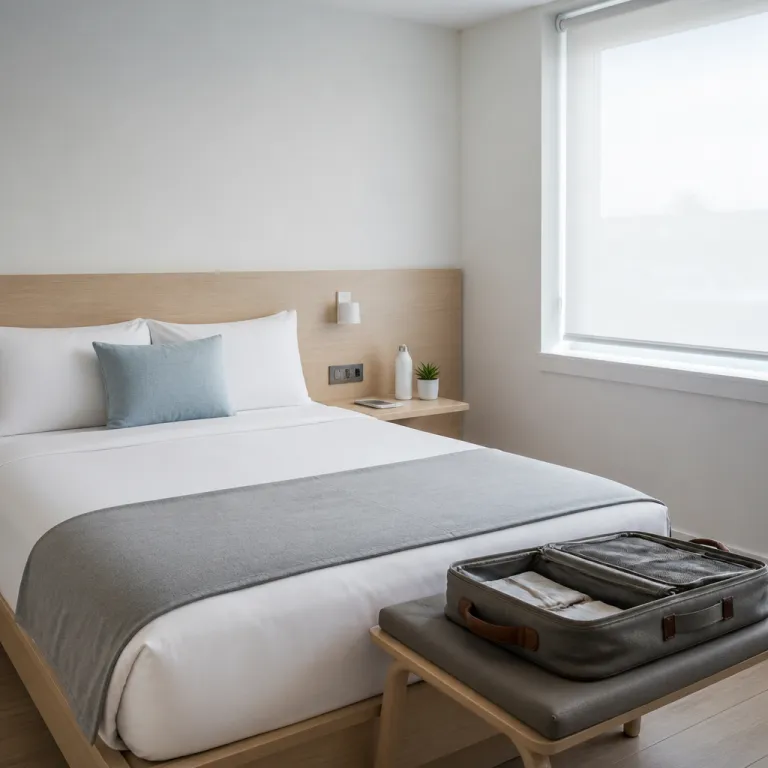
Gen Z hotel expectations for budget travel and sustainable value
Gen Z hotel expectations for budget travel start with one clear idea; the room is a launchpad, not the destination. This generation of young travelers would rather channel cash into street food tours, live music, and late night travel experiences than into a larger television or extra cushions. For many Gen Z consumers, the right hotel is the one that protects their wallet and their carbon footprint while still feeling socially and environmentally friendly.
Across global hospitality, hoteliers now track how this generation balances price, purpose, and place. A 2023 Booking.com survey, for example, found that over 60% of Gen Z guests use price filters first but will pay more for stays that feel meaningful and well located.1 These travelers use budget filters aggressively, yet they also lead the charge in booking occasional premium hotels when the experience or location justifies the spend. That tension defines modern youth travel: save on the square metres, splurge on the memories and the local experiences outside the lobby.
For this generation, sustainability is not a niche preference but a baseline expectation. Deloitte research notes that more than half of Gen Z respondents have stopped buying from brands they see as environmentally careless, and that attitude carries into accommodation choices.2 They look for eco friendly operations, from refillable amenities to low energy lighting and transparent reporting on water use. When hotels communicate these environmentally friendly measures clearly at the booking stage, they turn abstract values into concrete reasons to stay and to return over time.
Digital first booking, mobile check in and the new guest journey
Gen Z hotel expectations for budget travel are shaped on phones long before a key card touches a door. This generation scrolls social media and mapping apps to compare hotels, reading reviews, watching room tours, and checking how close each hotel sits to public transport or late night food. For many younger travellers, the decision to book travel is made on media platforms where friends, influencers, and local businesses all compete for attention.
Once a destination is locked, the guest journey moves quickly into practical mode. Gen Z guests expect streamlined online travel tools, from transparent pricing to filters that surface eco friendly options and flexible cancellation in seconds. A Skift survey has reported that roughly two thirds of Gen Z travellers prefer to manage bookings entirely on mobile, and they are also more likely to value free breakfast and 24 hour check in than a traditional loyalty card, because those benefits shape their real travel experiences every single stay.3
Technology inside the property matters just as much as the booking funnel. Hotels that offer reliable mobile check in, digital key access, and strong Wi Fi signal that they understand this generation’s time is precious. Hilton, for instance, has reported millions of digital key uses per month across its portfolio, with adoption highest among younger guests.4 As one industry summary puts it without hedging: “Mobile check-in, digital keys, and personalized room settings.”
That quote captures the baseline, not the upgrade, for Gen Zers who expect their phones to manage every stage of travel. When a budget hotel app allows a guest to choose a floor, confirm late arrival, and message the front desk, it turns simple hospitality into a frictionless experience. Properties that still rely only on paper forms and fixed desk hours feel out of step with current travel trends and with the expectations of younger consumers.
For readers who mix leisure and business travel, this digital fluency becomes even more valuable. A compact room with excellent Wi Fi, quiet zones, and fast mobile check in can outperform a larger but clumsier property for business travel days. You will find this logic explored in depth in our guide to turning a business trip into a personal escape, where Gen Z travelers stretch work trips into richer travel experiences.
Eco friendly priorities and how budget hotels cut carbon without cutting comfort
For Gen Zers, sustainability is not a marketing flourish; it is a filter applied before price, pool, or pillow menu. Many younger travellers now scan hotel descriptions for eco friendly certifications, renewable energy use, and clear commitments to reducing carbon footprint across operations. When a property explains how it sources local produce, manages waste, and limits single use plastics, it speaks directly to values driven consumers who want their travel experiences to align with their principles.
Budget hotels are quietly becoming laboratories for environmentally friendly innovation. Smaller room footprints reduce energy demand, while smart thermostats and LED lighting trim consumption without sacrificing comfort for guests. Marriott, for example, has reported double digit percentage reductions in energy use at properties that adopted smart room controls, and similar savings are now being replicated in economy brands.5 Some hotels now partner with local artists and sustainability consultants to create spaces that feel characterful and responsible at the same time, echoing the ethos of eco friendly luxury accommodation in Queensland but translated into an accessible nightly rate.
Gen Z travel expectations also extend to what happens beyond the guest room door. Properties that offer filtered water stations on every floor, clearly labelled recycling, and optional housekeeping signal respect for both the environment and the guest journey. When hotels explain how skipping daily linen changes saves litres of water per stay, younger guests are more likely to opt in and to share that choice on social media as part of their travel narrative.
There is a commercial logic behind these sustainable trends as well. Energy efficient systems and reduced waste lower operating costs over time, which helps keep nightly rates competitive for price sensitive travelers. For a luxury and premium booking website focused on budget hotels, highlighting these eco friendly features allows Gen Z travelers to compare not only price and location but also environmental impact before they book travel.
From social lobbies to local partners; where Gen Z spends, not sleeps
Gen Z hotel expectations for budget travel reshape how public spaces inside hotels are designed and used. Many younger travelers treat their compact room as a place to sleep and shower, while the lobby, café, or rooftop becomes the real living room. In response, hotels are investing in social lobbies with long tables, plentiful sockets, and relaxed seating where guests can work, chat, and plan the next local experience.
This shift changes how value is perceived across the stay. A hotel that offers a modest room but a vibrant ground floor with good coffee, fast Wi Fi, and local events can feel more premium than a quiet property with larger rooms but no atmosphere. For Gen Z guests, the ability to meet other travelers, join a neighbourhood walking tour, or attend a small live set in the bar often outweighs traditional markers of luxury in hospitality.
Partnerships with local businesses deepen this focus on experiences over square footage. Some hotels now collaborate with independent cafés, bike rental shops, and cultural venues to create curated options for guests who want to feel plugged into the city from the first night. At one economy hotel in Berlin, for instance, the front desk doubles as a ticket hub for nearby galleries and music venues, helping travelers reduce wasted time on generic attractions and instead channel their budget into distinctive travel experiences that feel rooted in place.
Social media amplifies every part of this equation. When a lobby mural, courtyard, or breakfast spread photographs well, it becomes free marketing across media platforms where Gen Zers trade tips on where to stay next year. As one guest recently put it in an online review, “The room was tiny, but the lobby felt like a co-working space and living room combined, so we never felt cramped.” For a booking website, showcasing these visual touchpoints alongside practical details like mobile check in and flexible booking policies helps younger travelers quickly assess whether a hotel matches their style of travel.
How luxury and premium booking sites curate budget stays for Gen Z
Luxury and premium booking platforms now treat Gen Z hotel expectations for budget travel as a design brief, not a constraint. Instead of listing every cheap room in a city, they curate hotels that deliver strong value per euro through location, cleanliness, and thoughtful amenities. For younger travelers, this curation saves time and reduces the risk of landing in a property where the price is low but the guest journey feels compromised.
These platforms increasingly foreground the details that matter most to this generation. Filters highlight eco friendly practices, mobile check in availability, and flexible cancellation policies alongside classic options like breakfast included or late checkout. Clear icons for digital key access, strong Wi Fi, and proximity to public transport help Gen Z guests compare hotels quickly, whether they are planning leisure trips or short bursts of business travel.
Data from major booking brands shows how sharply this generation prioritizes comfort basics. Studies report that a majority of Gen Z travelers still rank air conditioning and 24 hour check in as critical, while a significant share values breakfast as an important add on during each stay. When a booking page spells out these features in plain language, younger consumers can align their budget with their non negotiables in seconds.
Premium style photography and honest reviews complete the picture. Instead of airbrushed fantasy, Gen Zers want to see real room layouts, bathroom sizes, and views at different times of day, often cross checking with online travel forums and mapping tools. For a platform that aspires to be the definitive guide to economy stays, the key is simple: respect the intelligence of younger travellers, show the reality of each hotel, and let travelers decide where to trade space for experience.
FAQ
What technology do Gen Z travelers expect in budget hotels?
Gen Z travelers expect budget hotels to offer mobile check in, digital key access, and reliable high speed Wi Fi as standard. Many younger guests also appreciate in room USB C charging, smart televisions with streaming access, and the ability to manage basic requests through a mobile app. Properties that integrate these tools into the guest journey feel aligned with current travel trends and with the daily habits of this generation.
Why is sustainability so important for Gen Z hotel choices?
Sustainability matters to Gen Z because they see every stay as part of their personal carbon footprint. Eco friendly practices such as energy efficient lighting, reduced single use plastics, and partnerships with local suppliers help hotels demonstrate real environmental responsibility. When these environmentally friendly measures are visible at the booking stage, younger travelers are more likely to choose that hotel and to recommend it across social media and other media platforms.
How can budget hotels attract more Gen Z guests?
Budget hotels can attract more Gen Z guests by focusing on three pillars: digital convenience, sustainable operations, and authentic local experiences. Offering mobile check in, flexible booking options, and clear information about eco friendly initiatives builds trust with younger consumers. Collaborations with neighbourhood cafés, cultural venues, and tour guides then turn a simple stay into a richer travel experience that resonates with modern travellers.
Do Gen Z travelers prefer luxury hotels or budget stays?
Gen Z travelers move fluidly between luxury and budget stays depending on the trip purpose. Many Gen Zers will choose a budget hotel for city breaks where they plan to spend most of their time outside, saving money for food, nightlife, and activities. For special occasions or key destinations, the same younger travelers may book higher end hotels, but they still expect strong Wi Fi, sustainable practices, and flexible policies as part of the overall hospitality experience.
What room features matter most to Gen Z on a tight budget?
When money is tight, Gen Z prioritizes a clean room, a comfortable bed, and a reliable hot shower over extra space or ornate décor. Strong Wi Fi, secure locks, and quiet at night are also non negotiable for most younger guests. If a hotel can deliver these basics consistently while keeping rates low and communicating its sustainable practices clearly, it will meet core Gen Z hotel expectations for budget travel.
References
- Booking.com, 2023 Sustainable Travel and Gen Z booking behaviour survey (summary data as reported in industry briefings).
- Deloitte, Global Gen Z and Millennial Survey, latest edition (brand perception and sustainability attitudes).
- Skift Research, Gen Z and the Future of Travel report (mobile booking and amenity preferences).
- Hilton, Digital Key usage updates from corporate sustainability and innovation reports.
- Marriott International, environmental performance disclosures on smart room controls and energy efficiency.