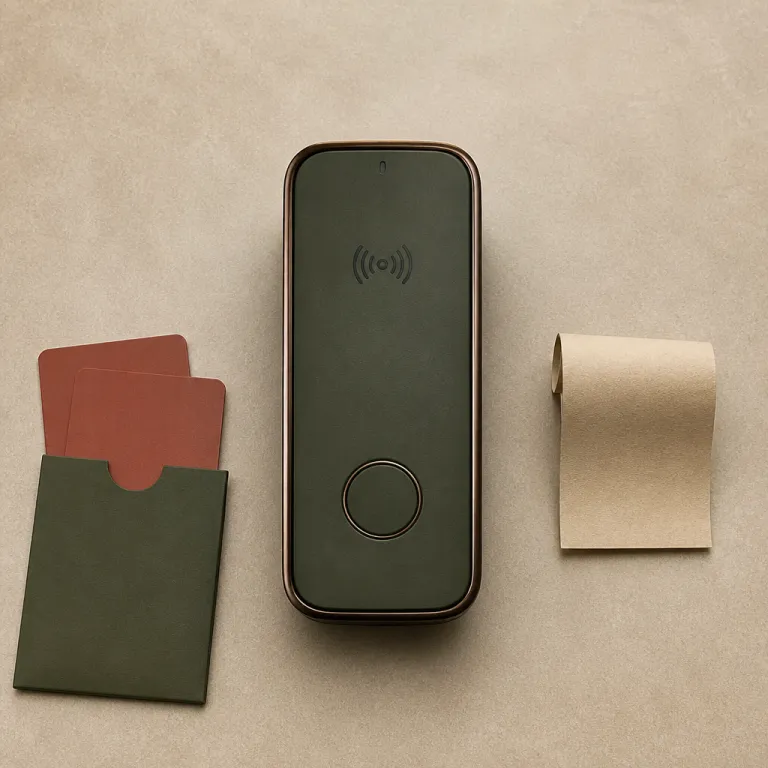
The tech maturity sweet spot for the modern hotel guest
Across the hotel industry, the smartest economy properties now treat technology as their primary design language. What once felt like experimental hotel technology for guest experience has settled into a reliable toolkit that even budget hotels can deploy without drama. The result is a quieter revolution where the guest journey is shaped more by code and connectivity than by cushions and candles.
Chains such as Red Roof and Wyndham Hotels & Resorts show how targeted technology can improve guest satisfaction without inflating rates. Their focus on mobile apps, integrated payment systems and AI driven customer service reflects a wider digital transformation in global hospitality, where data and real time feedback loops guide every decision. For travelers, this means that a modestly priced room can now offer a more personalized stay than a higher tier hotel that still relies on paper forms and a crowded front desk.
Economy hotels historically underfunded guest touchpoint technology, yet these are the moments guests remember most. When a hotel guest can complete pre arrival check ins on a phone, adjust the room temperature from bed and message staff instantly, the perceived value of the stay rises sharply. For business leisure travelers extending a work trip, this technology hotel mindset turns a functional overnight into a frictionless experience that respects both time and budget.
From front desk queue to contactless check in: the new arrival ritual
Arrival is where hotel operations either earn trust quickly or lose it in minutes. For an executive landing late after meetings, the difference between a five minute contactless check in and a twenty minute queue at the front desk defines the first impression of the entire stay. Smart economy hotels now treat this moment as a critical test of both hospitality and technology.
Mobile apps allow each guest to complete pre arrival registration, verify payment and receive a digital key before even reaching the lobby. This shift turns check ins into a background process, freeing staff to focus on nuanced customer service instead of repetitive data entry. As one industry summary puts it with disarming clarity, "Use mobile check-in to save time.", and the best hotels extend that logic into every step of the guest journey.
For travelers comparing late arrival options, properties that explain their digital arrival process clearly stand out. A detailed guide to seamless late arrivals, such as the one used as a benchmark in this late check in playbook, shows how technology and human service can work together. When guests control their own arrival timing through contactless check processes, staff can shift from gatekeeping to welcoming, which quietly improves guest experiences without adding a single extra amenity.
Why business leisure travelers value smart rooms over pretty lobbies
Business leisure travelers judge a hotel room by its wiring long before its wallpaper. They need reliable Wi Fi, intuitive lighting, quiet air conditioning and charging points within easy reach of the bed and desk. For this audience, hotel technology guest experience is not a novelty ; it is the baseline for getting work done before slipping into leisure mode.
Economy properties that invest in IoT enabled room controls, such as app based lighting and temperature settings, give guests control over comfort with minimal fuss. These solutions often cost less than another round of lobby refurbishment, yet they improve guest satisfaction more directly because guests spend most of their time in the room, not under the atrium chandelier. When hotels use data from real time usage patterns to fine tune these systems, they can offer personalized presets for repeat guests without breaching privacy.
Some of the most compelling examples come from modest properties in high demand leisure regions. In Tuscany, for instance, several elegant yet budget conscious stays highlighted in this guide to refined budget friendly accommodation show how simple technology can elevate experiences. A small hotel that lets a hotel guest manage check ins, room access and post stay invoices from a single app often feels more premium than a grand address where guests still queue for keys and paper receipts.
AI, data and personalization on a budget
Personalization once belonged to luxury suites with dedicated concierges and elaborate profiles. Today, even economy hotels can offer personalized service by using guest data responsibly and automating the routine parts of hospitality. The art lies in choosing technology hotel tools that improve guest experiences without feeling intrusive or gimmicky.
AI driven messaging platforms now handle common customer service questions in real time, from Wi Fi passwords to breakfast hours, while flagging complex issues for human staff. This frees the équipe at the front desk to focus on high value interactions, such as resolving problems quickly or suggesting local experiences that match the guest journey. When a hotel uses digital feedback from both the stay and the post stay survey, it can identify patterns and implement targeted solutions that improve guest satisfaction for future guests.
Economy chains such as Red Roof report stronger performance after shifting investment from traditional amenities to technology that streamlines hotel operations. Wyndham’s tech focused extended stay brand follows the same logic, using automation to reduce operational coût while maintaining consistent service standards. For travelers booking through a luxury and premium style platform that curates budget hotels, this means more properties where the guest experience feels tailored, even though the nightly rate remains firmly in the value segment.
Choosing smart economy hotels on a premium booking platform
For value conscious executives using a luxury leaning booking website to find budget hotels, the challenge is separating genuine innovation from cosmetic tech. A property may advertise digital transformation loudly yet still rely on manual workarounds that slow every check and frustrate guests. The most reliable signal is how clearly a hotel explains its technology across the entire stay.
Look for descriptions that detail mobile apps, contactless check options, in room controls and post stay communication, rather than vague promises about innovation. A hotel that outlines its guest journey step by step, from pre arrival messaging to real time support during the stay, usually has the hotel technology to back it up. Articles on value driven travel trends, such as this analysis of why travelers now prioritize value over luxury, show how this mindset is reshaping expectations across hotels globally.
When comparing hotels on a curated platform, prioritize those where staff training clearly matches the technology deployed. Automation in guest services works only when the équipe understands how to intervene gracefully when guests control systems fail or when digital solutions misfire. The smartest economy hotels offer a calm blend of self service and attentive human support, proving that thoughtful hotel technology guest experience design can outshine another decorative lobby feature every time.
FAQ
Why are economy hotels investing so heavily in technology now ?
Economy hotels are investing in technology because it improves efficiency, aligns with changing guest expectations and protects margins in a competitive market. Industry analyses note that "Economy hotels' GOP margins" can reach around 40 %, and smart hotel technology helps maintain those results without raising prices. As one expert summary states, "Why are economy hotels investing in technology?" and answers directly, "To improve efficiency and meet guest expectations.", which captures the core motivation.
Which technologies have the biggest impact on guest satisfaction ?
The technologies with the most visible impact on guest satisfaction are mobile check in, keyless room entry, reliable Wi Fi and intuitive in room controls. Guests notice these more than back of house systems because they shape every moment of the stay, from pre arrival to post stay billing. Tools such as mobile apps, self service kiosks and AI driven customer service also reduce friction at the front desk and improve guest perceptions of responsiveness.
How does technology help hotel staff rather than replace them ?
Well implemented technology removes repetitive tasks from staff workloads, allowing teams to focus on higher value hospitality. Automated check ins, integrated payment systems and real time messaging reduce manual data entry and phone calls, which cuts errors and frees time for genuine customer service. In practice, this means staff can resolve issues faster, offer more personalized recommendations and monitor hotel operations more effectively.
What should I look for when booking a tech forward economy hotel ?
When booking, look for clear explanations of digital services such as contactless check in, mobile keys, in room controls and post stay communication. A reliable technology hotel will describe how guests control their stay through apps or web portals, and how staff support those systems when needed. Reviews that mention fast responses, smooth check ins and consistent Wi Fi are often better indicators of guest experience quality than photos of amenities.
Does investing in technology make economy hotels more expensive ?
Targeted technology investment does not necessarily make economy hotels more expensive ; it often helps keep rates stable. Automation in guest services and AI integration in operations reduce operational coût, which supports healthy margins without adding hidden fees. For travelers, this means a better guest experience at roughly the same price point, especially when hotels prioritize essential solutions over flashy but rarely used gadgets.