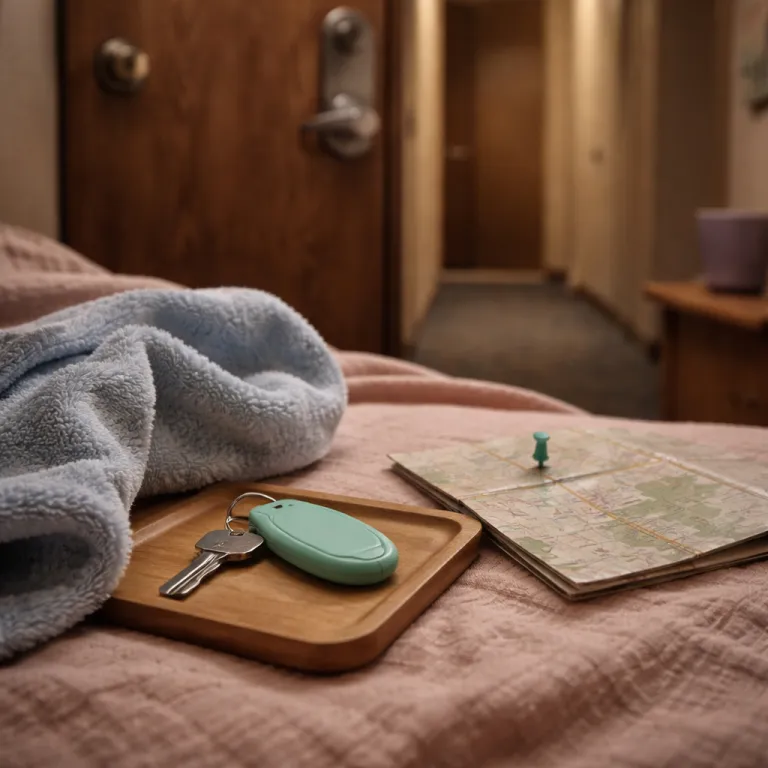
Reading safety like a pro before you book
Solo travel starts long before your flights take off and boarding begins. When you travel solo and filter hotels by rating, go one layer deeper and read how people describe lighting, late night access, and the general hotel area around the property. Many solo travelers quietly scroll past the glossy lobby photos and go straight to comments about the hotel room door, the neighbourhood noise, and how staff handle issues at two in the morning.
Safety is the non negotiable in any hotel budget strategy, especially when you are traveling solo and arriving after dark in a dense city. Verified reviewers often answer the key question better than marketing copy; “How can solo travelers ensure hotel safety? Research hotel reviews, choose safe neighborhoods, and verify security features.” Look for mentions of key card access to lifts and corridors, 24/7 front desk presence, and whether the room lock feels solid rather than flimsy or loose. In many major cities, local police or tourism boards publish basic guidance on choosing licensed accommodation and avoiding unregistered guesthouses, which you can cross check against what reviewers report; for example, the New York City Mayor’s Office and VisitBritain both publish hotel safety checklists that echo this advice.
For a solo traveler, the safest floors are usually between the second and fourth, high enough to deter opportunistic entry yet low enough for emergency access. Many economy hotels and hostels will let you request this in advance, and a good budget hotel will confirm your floor in writing if you ask politely. When you check in for your stay, walk the corridor once, note the fire exits, and make sure the peephole and secondary lock on your hotel room actually work before you unpack. Simple habits like keeping the “Do Not Disturb” sign on when you are out and using the in room safe for passports mirror the advice found in many official travel safety briefings, including solo travel safety checklists from government travel advisory sites.
Location also shapes how safe you feel when traveling solo, because the walk back to your room at night matters as much as the lock on the door. Use Google Maps not only for directions but for a quick scan of the hotel area, checking where late opening cafés, metro stations, and main streets sit in relation to your chosen hotel. In a large city such as New York City or any major hub in Latin America, staying near a busy intersection with constant foot traffic will usually feel safer than a cheaper side street with shuttered shops after sunset. City crime maps, where available from local police departments or city open data portals, can help you compare neighbourhoods objectively instead of relying only on price.
Online booking platforms and safety apps now make it easier to align solo travel safety with your travel budget, rather than treating them as competing priorities. Many economy hotels highlight their security features clearly because they know solo travelers will filter for them, and this transparency is a positive sign. When a property is vague about access control or cannot confirm 24 hour staffing, that is your cue to save money elsewhere and pay a slightly higher price for a hotel that takes your security seriously. Over time, you will recognise patterns: chains that consistently invest in CCTV, clear evacuation plans, and staff training tend to be safer bets than one off listings with little information; brands such as Premier Inn, Ibis, and Holiday Inn Express often spell out these policies in their booking pages.
Location, walkability, and when a cheaper rate costs more
Price is the first filter for many people planning a solo trip, but the cheapest rate rarely tells the full story. A hotel budget that looks lean on paper can become expensive once you add late night taxis, long metro rides, and the time you lose traveling in from the outskirts of the city every day. Smart solo travel economy hotel tips start with mapping your days, then choosing a stay that keeps your feet on the pavement rather than in transit. Think of your room as a base camp: if you will visit museums, co working spaces, and markets, cluster them on a map and see which neighbourhoods minimise backtracking.
In compact centres such as York or larger hubs like New York City, a central budget hotel can quietly help you save money overall. You might pay a slightly higher price per night, yet you will walk to most sights, eat where locals eat, and avoid the dead time of commuting in from remote hotel area clusters. Use a simple price comparison approach that includes transport costs, then check Google Maps walking times from the hotel to the places you actually care about. Many travelers find that shaving 20–30 minutes off each daily journey effectively adds an extra half day of exploration to a short solo trip.
Solo travelers should treat walkability as a safety feature and a lifestyle upgrade, not a luxury extra. Being able to stroll back to your hotel room after dinner, rather than negotiating an unfamiliar bus route, keeps you inside your comfort zone without sacrificing spontaneity. When you read reviews, note how often guests mention walking to cafés, markets, or co working spaces, because those details matter more than whether the lobby chairs look expensive. Comments about well lit streets, busy squares, and nearby late night pharmacies are subtle indicators that the surrounding area supports solo travel and aligns with mid floor safety recommendations.
Room size often dominates marketing, yet most solo travel needs are simpler and more precise. You want a clean room with a good mattress, blackout curtains, and reliable Wi Fi, not a sprawling suite you will barely use during a packed trip. For a deeper sense of what separates a merely acceptable space from a genuinely efficient one, study guides on what makes a good economy room great, then apply those criteria ruthlessly when you compare hotels. Chains that target business travelers often excel here, offering compact rooms with strong desks and soundproofing that suit solo guests on a budget.
When traveling solo through Latin America or across Europe, consider staying near transport hubs without being directly on top of them. A hotel one or two blocks from a main station often offers a better balance of quiet nights, cheaper prices, and quick departures for early flights. The best solo travel tips treat location as a multiplier for every euro you spend, because the right address lets you travel solo with confidence, meet people naturally, and still respect your overall travel budget. Over several trips, you will notice that central, walkable neighbourhoods often reduce your reliance on ride hailing apps and late night taxis, which is both safer and cheaper.
Designing your mini oasis: what solo travelers really need in a room
Economy hotels that understand solo travelers design rooms as compact mini oasis spaces, not as shrunken versions of family suites. When you travel solo, you rarely need a second chair or a decorative bench, but you absolutely need a firm desk, a supportive chair, and enough outlets to charge every device before your next flights. The best solo travel economy hotel tips focus on how a room works hour by hour, not how it photographs. Properties inspired by Japanese business hotels or Scandinavian micro rooms often provide good examples of efficient layouts that still feel calm.
Look for a hotel room layout where the bed, desk, and bathroom form a logical flow, so you can move easily even when half asleep after a long trip. A well planned budget hotel will prioritise a strong shower, crisp linens, and blackout curtains over ornamental cushions, because solo travelers value rest and reliability more than staged décor. When you read descriptions, translate vague words like “cosy” into specifics such as square metres, mattress type, and whether the window actually opens. If you are sensitive to light or noise, reviews that mention double glazing, room darkening blinds, or white noise from air conditioning are worth noting.
Technology now allows economy hotels to punch above their price, and solo travelers should take advantage of that design revolution. Many properties use clever built in storage, sliding doors, and integrated lighting to create a calm mini oasis even in a small room, which matters when you are traveling solo for several nights. For a sense of how thoughtful design can stretch a hotel budget without feeling cheap, explore case studies on when affordable means clever in the new generation of economy hotels. Features like keyless entry via app, USB charging at the bedside, and smart TVs that let you stream your own content are increasingly common even in lower priced chains.
Noise control is another quiet luxury that matters more when you travel solo and cannot simply tune things out with conversation. Check reviews for mentions of thin walls, street noise, or loud hostels next door, because these details will shape how rested you feel on your stay. A slightly higher price for a quieter hotel area can be a smarter way to save money than booking the absolute cheapest hotel and then paying for late check outs to catch up on sleep. Earplugs and a simple white noise app help, but well insulated windows and solid doors do more for your rest than any accessory.
In dense districts from New York City to major capitals in Latin America, windows that seal properly and individual climate control turn a basic room into a true retreat. Solo travelers should not hesitate to email a hotel and ask about desk size, Wi Fi speed, and blackout curtains, because these questions signal that you are serious about comfort and productivity. When you find a property that answers clearly and aligns with your travel budget, you have located a mini oasis that respects both your time and your wallet. Over repeat visits, these are the places that become your default choices, reducing planning stress for future solo trips.
Social infrastructure: where economy hotels beat isolation
Traveling solo does not mean traveling alone all the time, and the best economy hotels understand this. Social infrastructure — bars, lounges, co working corners, and shared kitchens — helps solo travelers meet people without sacrificing privacy or safety. When you scan photos and reviews, look for spaces where guests naturally linger, because those are the real engines of connection during a trip. Properties that host regular events or communal dinners often mention them prominently in their descriptions, which is a useful signal if you value company.
Many modern hostels and hybrid hotels now blend private rooms with communal areas, giving you a secure hotel room while still offering the social energy of shared spaces. This model suits a solo traveler who wants to save money on their hotel budget yet still enjoy a glass of wine at the bar without leaving the building. In cities with high accommodation price levels, such as New York City, these properties can be both cheaper and richer in experience than anonymous chain hotels. Brands that specialise in this hybrid style often publish clear house rules and security policies, which is reassuring when you are traveling alone.
For solo travel in Latin America or any region where you are adjusting to a new language, a lobby bar or café can become your daily anchor. You might start the evening at a communal table, swap travel tips with other solo travelers, then step out together to explore the nearby hotel area. This kind of organic socialising keeps you within your comfort zone while still stretching it gently, which is exactly what many people want from solo travel. Staff in these spaces often double as informal guides, pointing you toward safe late night streets, trusted taxi companies, and local events.
Economy properties that host walking tours, cooking classes, or neighbourhood briefings effectively act as informal concierges for solo travelers on a budget. They help you save money by pointing you toward local markets, cheap flights alerts, and honest street food rather than tourist traps, which extends your travel budget without feeling restrictive. When you travel solo, this curated local knowledge can be more valuable than a marginally cheaper room in a less engaged hotel. Over time, you may find yourself choosing slightly pricier properties that offer this depth of support because the overall experience feels safer and more connected.
On colder nights or in shoulder seasons, a warm communal lounge can feel like a luxury even in a modest budget hotel. If you value that atmosphere, seek out properties that emphasise cosy shared spaces and, where possible, features like fireplaces that create a naturally social setting for a relaxed stay. Guides to hotels with fireplaces and other small comforts can help you identify places where traveling solo feels less like a logistical exercise and more like a quietly indulgent way to see the world. Even a simple reading corner with good lighting and comfortable chairs can turn an anonymous stay into a memorable pause between busy days.
Beating the single supplement and planning night arrivals
One of the persistent frustrations for solo travelers is paying almost the same price as couples for a standard room. The so called single supplement often hides in plain sight, especially when a cheap hotel advertises a low base rate that only applies to double occupancy. Effective solo travel economy hotel tips focus on spotting these patterns early and reshaping your search to reward properties that price fairly for one. Some hotel chains openly market “solo rooms” or “compact singles,” which can be a useful filter when you are scanning options and searching for compact single rooms in city centres.
Start by using price comparison tools that allow you to filter explicitly for one guest, then watch how the total changes as you adjust dates and room types. Some hotels quietly offer smaller single rooms at a lower price, while others keep the same rate but include breakfast or late checkout, which can still help you save money over the length of your stay. When you travel solo, think in terms of total trip cost rather than nightly rate, because extras like laundry discounts or airport transfers can offset a slightly higher room price. Loyalty programmes that waive single supplements or include late check out are particularly valuable if you travel alone often.
Cheap flights often land at awkward hours, which means many solo travelers arrive in a new city long after sunset. Before you confirm a budget hotel, check whether reception is staffed 24/7, how late you can check in, and whether the entrance is on a main street or a side alley. A clear email from the hotel with night access instructions, door codes, and Google Maps links is worth more than a marginally cheaper rate in a property that leaves you guessing. If your arrival time changes, notify the hotel so your booking is not marked as a no show, a step many airlines and travel insurers also recommend.
When traveling solo through large cities or unfamiliar parts of Latin America, consider pre booking a transfer for late arrivals, even if you usually rely on public transport. The extra money you spend on that first safe ride can be balanced by choosing a modest hotel budget for the rest of the trip, especially if the property is close enough to walk to key sights. Remember that “Are economy hotels safe for solo travelers? Many are, but it's essential to research and choose reputable establishments.” Official travel advisories from sources such as the U.S. Department of State or the UK Foreign, Commonwealth & Development Office often echo this, urging visitors to use registered taxis or app based services from airports at night.
Over time, you will build your own internal playbook of solo travel tips, shaped by the cities you love and the hotels that treated you fairly. Keep notes on which hotel area felt comfortable to walk at night, which properties helped you meet people, and where the staff went beyond expectations for a solo traveler. That personal archive, combined with honest reviews and a clear sense of your travel budget, will guide you toward economy stays that feel quietly premium in all the ways that matter. A simple checklist in your notes app — covering safety, location, room design, and social spaces — turns each trip into research for the next and functions as your personal solo travel safety checklist.
FAQ
How can I quickly assess whether an economy hotel is safe for solo travel ?
Check recent reviews for mentions of 24/7 reception, key card access to lifts and corridors, and how staff handle issues at night. Then use Google Maps street view to examine the immediate hotel area, looking for lighting, open businesses, and public transport nearby. Finally, email the hotel directly to confirm floor options, room lock types, and whether someone will be on duty when your flights arrive. These steps mirror the practical advice found in many government travel safety leaflets, adapted to the reality of booking online.
Which floor should a solo traveler request in an economy hotel ?
Security specialists generally recommend staying between the second and fourth floors, which balances safety and emergency access. Ground floor rooms can be more exposed to street level intrusion, while very high floors may be harder to evacuate quickly. When you book, add a polite note requesting a mid level room and confirm it again at check in. If the hotel cannot accommodate the request, ask whether windows and balcony doors have secure locks and whether there is a staffed reception overnight.
Are hostels a good option for solo travelers who want more privacy ?
Many modern hostels now offer private rooms alongside dorms, giving solo travelers a secure hotel room with access to social common areas. This hybrid model can be cheaper than a traditional hotel while still offering strong safety standards and a chance to meet people. Look for properties with clear security policies, lockable storage, and quiet hours that respect rest. Reviews that mention female only dorms, key card access to each floor, and attentive night staff are particularly useful if you are new to hostel style stays.
How do I balance my travel budget between flights and accommodation when traveling solo ?
Start by fixing a realistic total budget for the entire trip, then allocate roughly half to accommodation and half to transport and daily expenses. Use price comparison tools to hunt for cheap flights first, then choose a central budget hotel that reduces local transport costs and time. Often, paying slightly more for a well located stay will save money overall by cutting taxis and long commutes. Tracking your spending in a simple spreadsheet or app during the trip helps you see in real time whether that trade off is working.
What makes an economy hotel feel comfortable for a longer solo stay ?
For stays beyond a few nights, solo travelers benefit from a good desk, reliable Wi Fi, blackout curtains, and some form of social infrastructure such as a lounge or café. A quiet hotel area, consistent housekeeping, and responsive staff also matter more over time than decorative extras. When reading reviews, focus on comments from people who stayed at least three nights, because their perspective will mirror your own longer trip. Mentions of stable internet, laundry facilities, and friendly regulars in the lobby are strong signs that the property supports extended solo stays.