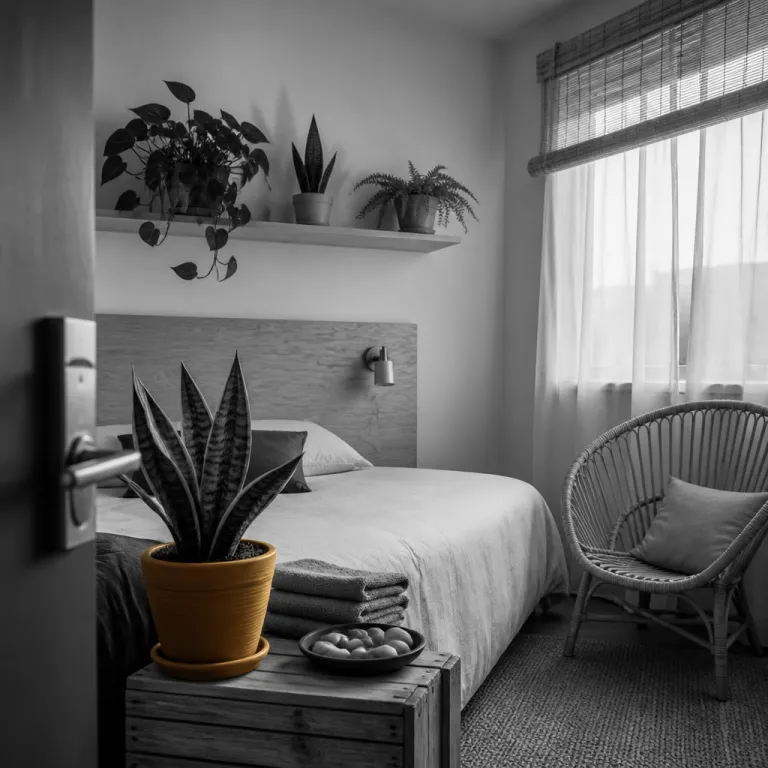
Why biophilic design belongs in economy hotel rooms
Biophilic design economy hotel rooms are no longer a niche experiment reserved for high nightly rates. When a hotel uses biophilic design intelligently, it connects every guest with nature through calm spaces, better air and thoughtful materials that feel quietly luxurious. For value conscious couples, this shift means a modestly priced budget hotel can now offer an experience that feels closer to a refined urban resort than to a generic roadside stop.
Biophilic design is a design approach integrating natural elements into built environments, and in the economy segment that means prioritising natural light, honest textures and real plants over shiny but forgettable décor. Studies such as Kellert and Calabrese’s 2015 “The Practice of Biophilic Design” and Terrapin Bright Green’s 2014 report “The Economics of Biophilia” link access to greenery and daylight with lower stress levels and improved mood, giving operators evidence that nature focused interiors influence how guests feel. When interior design emphasises plant life and natural finishes, guests stay longer in shared spaces and report higher satisfaction with their overall guest experience, which in turn supports stronger online ratings and repeat visits.
For couples planning a romantic city break, the new generation of biophilic hotel options offers a different value equation. Instead of paying for unnecessary technology or oversized televisions, you pay for a room where natural elements, improved air quality and soft light support your health wellbeing after a long flight. The result is an economy hotel design language where greenery, indoor plants and living walls are not decorative extras but core design elements that quietly create a sense of life and ease in every space.
How plants, light and materials reshape the budget hotel experience
In well executed biophilic design economy hotel rooms, three elements do most of the work: plants, light and materials. Indoor plants and small living walls near the lobby seating or breakfast area bring visible plant life into the guest journey from the first step inside the hotel. Research such as the NASA Clean Air Study led by B.C. Wolverton in 1989, which tested common houseplants in sealed chambers, and the World Green Building Council’s 2013 “Health, Wellbeing and Productivity in Offices” report on the benefits of daylight provide hotel owners with hard data to justify these choices.
Natural light becomes a design tool rather than an afterthought, with hotel design teams using sheer curtains, pale interior colours and reflective surfaces to pull daylight deep into compact spaces. The World Green Building Council cites studies showing up to 18% higher productivity and better sleep quality when people have access to natural light, and similar principles apply to guests recovering from travel. When circadian rhythms are respected through layered lighting that shifts from bright task light to warmer tones in the evening, guests sleep better and rate their guest experience more highly. For couples, this means a small room can still feel like a calm hospitality space where the light flatters skin tones, the air feels fresh and the interior design supports slow mornings rather than rushing you out the door.
Materials complete the picture in these biophilic hotel environments, especially when budgets are tight. Instead of expensive finishes, designers choose affordable natural elements such as laminate that mimics wood grain, stone effect tiles and woven textiles that feel good against the skin and age well. A 2020 survey by the Global Wellness Institute reported that over 70% of travellers associate wood, linen and stone textures with higher perceived cleanliness and comfort, even when the room size is modest. If you want to understand how these choices separate a merely acceptable room from a memorable one, the guide on how eco friendly materials are quietly transforming budget hotel rooms shows how smart design elements can elevate even the most compact space.
The living room lobby and other biophilic spaces that stretch value
One of the clearest signs that biophilic design economy hotel rooms are changing the sector sits right at street level. The old model of a hard edged reception desk under cold light is giving way to the living room lobby, a hospitality space where guests check in at a small counter then drift into flexible seating framed by greenery and warm materials. This shift in hotel design is not about theatrics; it is about using space, plants and light to create a sense of welcome that makes guests linger.
In these lobbies, indoor plants in oversized pots, small living walls and even simple planters along circulation spaces soften the built environment and subtly improve air quality. Natural light is amplified with mirrors and glass partitions, while layered artificial light uses warm tones and occupancy based sensors to cut energy use without sacrificing atmosphere. A 2019 case study published by the UK Green Building Council on a 130 room London budget hotel, for example, reported that after adding planting, warmer lighting and timber finishes to its lobby, average dwell time increased by 20% and bar revenue per guest rose by 10% over six months. Couples arriving after a long train ride feel the difference immediately, because the air feels cleaner, the sound is softer and the design elements encourage them to sit, talk and plan their evening rather than rush straight to the room.
Public spaces also become quiet extensions of the guest room, which is where value really stretches. When a hotel uses biophilic design to create comfortable shared spaces with good air, natural materials and thoughtful technology such as discreet charging points, guests perceive the entire hotel resort style environment as more generous. For travellers who care about both budget and health wellbeing, this means you can book a smaller room yet still enjoy generous space to read, work or share a glass of wine surrounded by nature inspired details.
Smart technology and sustainability behind the calm
What makes biophilic design economy hotel rooms financially viable is not only the plants and natural textures that guests see. Behind the scenes, technology and well building principles work together to manage air, light and energy in ways that support both health wellbeing and operating margins. Occupancy sensors dim lights and adjust ventilation when spaces are empty, while simple control panels let guests tune light levels to match their circadian rhythms.
Well planned interior design uses these tools to create hospitality space that feels intuitive rather than high tech, with design elements that quietly guide behaviour. A corridor with low level natural light by day and warm wall washers by night feels safer and more comfortable, while also using less energy than a permanently over lit hallway. In guest rooms, smart thermostats, operable windows where possible and clear information about air quality and ventilation reassure guests that the built environment is working with them, not against them.
For couples choosing between similar price points, these invisible systems can tip the decision. A biophilic hotel that invests in improved air circulation, natural elements and responsive lighting often delivers a better night’s sleep than a flashier property with static systems. A 2021 analysis by the International WELL Building Institute on hotels adopting sensor based lighting and ventilation, for instance, noted average improvements of around 8–10% in reported sleep quality and a 5–7% rise in repeat booking intent. Over time, this translates into stronger guest experience scores, higher repeat booking rates and a reputation for thoughtful hotel design that respects both nature and the realities of an economy budget.
How to spot biophilic design when booking economy stays
Reading between the lines of booking photos and descriptions is the key to finding biophilic design economy hotel rooms that genuinely deliver. Start with the lobby images and look for visible greenery, indoor plants, natural light and seating areas that feel like real living spaces rather than leftover corners. If you see living walls, timber textures, stone surfaces and daylight reaching deep into the space, you are likely looking at a hospitality space shaped by biophilic design principles.
Room photos tell the rest of the story, especially for couples who care about both romance and rest. Prioritise rooms where the bed is oriented towards a window, where natural elements such as wood, linen and stone are clearly part of the interior design, and where the lighting scheme offers more than a single ceiling fixture. Descriptions that mention health wellbeing, air quality, nature inspired décor or a biophilic hotel philosophy usually signal a team that understands how the built environment shapes guest experience.
For a deeper checklist of what separates a merely adequate stay from a quietly exceptional one, the guide on what separates a good economy room from a great one breaks down the details. As you compare options, ask yourself whether each hotel uses design to create spaces where plant life, natural light and calm technology support your life rather than clutter it. The best economy properties now prove that when design elements honour nature and human rhythms, even a compact space can feel like a private retreat at a fair price.
FAQ
What is biophilic design in an economy hotel context ?
In an economy hotel, biophilic design means integrating natural elements such as plants, daylight and wood textures into compact spaces to support comfort and health wellbeing without inflating room rates. It focuses on the built environment details that influence air quality, circadian rhythms and guest experience rather than on expensive decorative statements. The goal is to create interiors where guests feel subtly connected to nature throughout their stay.
How can budget hotels afford real plants and natural materials ?
Budget properties keep costs under control by using low maintenance indoor plants, durable finishes that mimic natural materials and targeted greenery in high impact areas such as lobbies and breakfast rooms. Because these design elements improve air quality perception and guest satisfaction, they often pay back through longer dwell times and higher repeat bookings. Many hotels also partner with local nurseries or décor suppliers to maintain plant life efficiently.
What should I look for in photos to find biophilic design economy hotel rooms ?
When browsing booking platforms, focus on images that show natural light reaching the bed, visible greenery in public spaces and materials such as wood, stone or woven textiles. Look for living walls, clusters of indoor plants and flexible seating areas that resemble a living room more than a traditional lobby. Descriptions that reference wellness, nature inspired interiors or a biophilic hotel philosophy are usually reliable indicators.
Do biophilic features really improve sleep and relaxation for guests ?
Features such as good daylight access, warm layered lighting at night and improved air movement can support more stable circadian rhythms and deeper rest. Guests often report feeling more relaxed in rooms where natural elements are present and where the interior design avoids harsh lighting or synthetic finishes. While individual responses vary, hotels consistently see better guest experience scores when these design elements are in place.
Can I apply similar biophilic ideas at home after my trip ?
Many travellers use hotel stays as inspiration for their own interior design, especially when they experience calm, nature inspired rooms on a realistic budget. Simple steps such as adding houseplants, maximising natural light with sheer curtains and choosing natural materials for key furniture pieces can replicate the feeling. These changes can enhance well being at home in the same way they do in thoughtfully designed hotel spaces.