The new aesthetic of eco friendly budget rooms
Walk into a well run budget hotel now and the room feels calmer. The shift comes from eco friendly design choices where sustainable materials quietly replace shiny plastics and harsh chemicals without fanfare. For travellers used to luxury hotel polish, these spaces finally feel like hospitality that respects both comfort and cost.
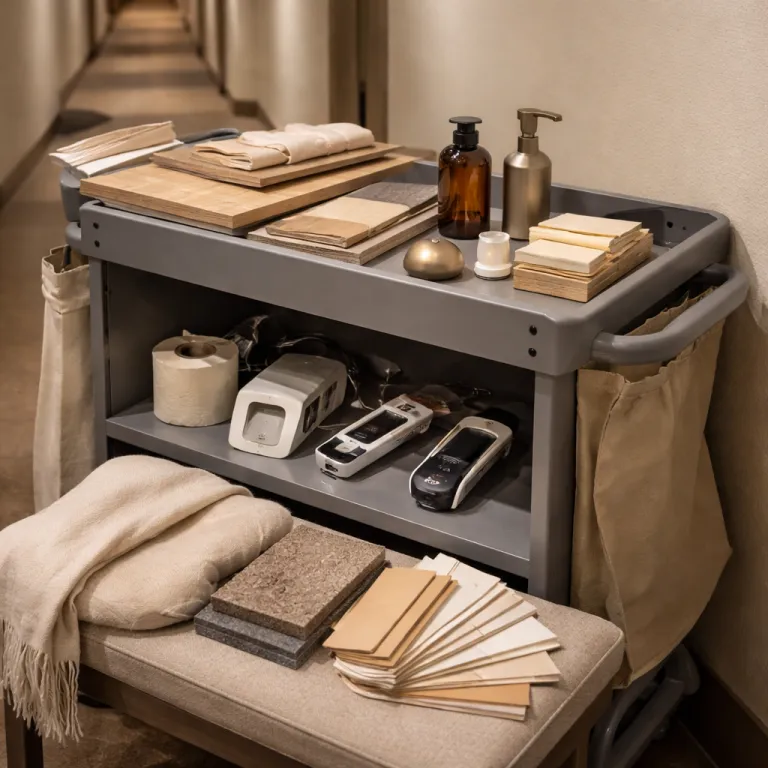
Reclaimed wood headboards, bamboo side tables and recycled metal lamps now appear in properties that once relied on flat pack furniture. Architects and interior designers favour these low impact products because they age gracefully, reduce waste and often cost less over the long term. When you run your hand across a reclaimed timber desk in a compact city room, you feel texture and history instead of thin veneer.
Budget hotel owners work with eco material suppliers and sustainable design consultants to align environmental efforts with cost savings. Their goal is simple yet ambitious: reduce energy consumption and water use while giving guests a room that feels closer to a boutique resort than a roadside stop. For people comparing affordable hotels online, the difference shows up in the photos first and in their breathing and sleep quality later.
Reclaimed wood, bamboo and the quiet luxury of durability
Reclaimed wood has become the signature move of the sustainable hotel room. It looks richer than new timber because knots, grain and small imperfections create depth that mass produced products cannot match. Designers report that these durable materials often outlast cheaper options, which means fewer hotel supplies replacements and less waste over the long term.
In Costa Rica, the Cayuga Collection of eco lodges uses reclaimed timber, locally sourced stone and regionally made furnishings across its rooms to prove that eco friendly design can feel indulgent (Cayuga Collection Sustainability Report, 2023). That same logic now filters into budget hotels worldwide, where bamboo flooring and bamboo bathroom fixtures replace laminates that swell at the first water spill. Guests used to a luxury resort aesthetic suddenly find that a modestly priced hotel with bamboo benches and plant based finishes feels just as refined.
Bamboo grows quickly, needs little water and offers impressive durability, which makes it ideal for high traffic hospitality spaces. When used for towel ladders, vanity stools or bed frames, it supports sustainable practices without shouting about sustainability. Guests simply notice that the room feels warm, solid and green in spirit, even when the nightly rate stays firmly in the budget bracket.
Air you can feel : low VOC paints and natural fiber carpets
The most transformative eco friendly hotel room materials are often the ones you cannot see. Low VOC paints reduce the volatile organic compounds that cause headaches, sore throats and that heavy new room smell many guests secretly dread. Natural fiber carpets in wool, sisal or jute add texture underfoot while supporting better indoor air quality than many synthetic alternatives.
When a sustainable hotel specifies low VOC wall finishes and plant based sealants, the air feels lighter within hours of check in. Travellers arriving after a long flight notice they can unpack, shower and sleep without that faint chemical tang that lingers in older hotels. Hospitality brands that invest in these eco conscious products report fewer guest complaints about odours and more repeat stays from sensitive travellers.
Natural fiber carpets also help with acoustics, softening footsteps and corridor noise in ways that thin vinyl cannot match. For a couple or solo guest in a compact room, that extra quiet can feel like an upgrade usually reserved for a luxury hotel suite. Sustainable hotels that pair these materials with thoughtful hotel amenities, such as slippers and yoga mats made from recycled materials, create a wellness focused atmosphere at an economy price.
Lighting, energy consumption and the romance of warm LEDs
Lighting used to be the clearest giveaway that you were in a budget hotel. Cold blue bulbs, buzzing fittings and dark corners made even well located properties feel slightly tired after sunset. The latest generation of LED lighting has changed that equation by combining warm colour temperatures with dramatically lower energy consumption.
Designers now layer bedside LEDs, indirect cove lighting and focused reading lamps to mimic the glow of a luxury resort while using a fraction of the power. According to the American Hotel & Lodging Association, properties that combine efficient lighting with other sustainable practices can cut overall energy consumption by around 20 percent compared with older stock (AHLA, “Energy Management in Hotels”, 2022). For guests, that translates into a room where you can dim the lights for a late night glass of local wine without feeling like you are sitting under an office strip lamp.
Smart controls add another layer of sustainability by turning lights off automatically when guests leave the room. Budget hotel owners appreciate the cost savings, while eco conscious guests appreciate that their stay supports measurable sustainability efforts. When you compare properties on a site tracking how economy hotels stabilise after tariff shifts and early signs of recovery, efficient lighting now sits alongside location and Wi Fi as a core decision factor.
Bathrooms, hotel toiletries and the end of single use waste
The bathroom is where eco friendly hotel room materials meet daily guest rituals most directly. Old patterns of tiny plastic hotel toiletries, plastic wrapped cups and endless paper waste are slowly giving way to smarter systems. Travellers who care about sustainability now look first at the shower shelf to judge how serious a hotel is about its green claims.
Refillable dispensers for shampoo, conditioner and body wash have become the new standard in many sustainable hotels, including those at the budget end of the market. These systems reduce packaging waste dramatically while allowing properties to choose plant based formulas that avoid harsh chemicals. Guests benefit from better textures and scents, while hotel owners enjoy long term cost savings as bulk hotel supplies replace thousands of miniature bottles.
Eco conscious properties also rethink hotel amenities such as toothbrushes, combs and vanity kits, switching to friendly products made from bamboo, recycled paper or corn based plastics. A budget hotel that offers these amenities on request rather than pre placing them in every room cuts both waste and unnecessary packaging. Over time, these sustainable practices turn bathrooms into quiet showcases of how hospitality can be both practical and genuinely green.
Local sourcing, hospitality culture and how couples can choose better
Behind every sustainable hotel room sits a network of local suppliers, consultants and owners making deliberate choices. Budget hotel owners partner with eco material suppliers and interior designers to align sustainability with brand identity rather than treating it as a marketing bolt on. The context is clear: growing environmental awareness, tighter regulations and guests who now expect sustainability as part of basic hospitality.
Global surveys suggest that around 60 percent of hotels have adopted some form of eco friendly practices, with early adopters already seeing measurable gains in guest satisfaction (Booking.com, Sustainable Travel Report, 2023). As one industry summary puts it, “Materials like bamboo, recycled wood, and low-VOC paints are commonly used” (World Travel & Tourism Council, Hotel Sustainability Basics, 2023). For couples planning a romantic city break, that means you can now find affordable hotels where eco friendly materials, thoughtful hotel amenities and honest pricing coexist comfortably.
When you book, look for clear information about sustainability efforts, from water saving fixtures to green cleaning products and transparent waste management. Check whether the property identifies as a sustainable hotel, lists specific sustainable practices and explains how it manages energy consumption and hotel supplies over the long term. The more detail you see about materials, eco friendly packaging and plant based friendly products, the more likely that this budget room will feel quietly luxurious when you finally turn the key.
- Eco friendly budget hotels: what to look for
- Low VOC paints and natural fiber carpets mentioned in room descriptions
- Refillable dispensers instead of single use hotel toiletries
- LED lighting, key card or sensor based energy controls
- Evidence of local sourcing for furniture, finishes or food
- Clear sustainability policy and recent guest reviews noting air quality and quiet rooms
Key figures on eco friendly hotel room materials
- Around 60 % of hotels worldwide report adopting some form of eco friendly or sustainable practices, indicating that green materials are moving from niche to mainstream in hospitality (World Travel & Tourism Council, Hotel Sustainability Basics Progress Update, 2023).
- Hotels that combine sustainable materials with efficient systems such as LED lighting and low flow fixtures can reduce overall energy consumption by about 20 %, freeing budget for better amenities and design upgrades (American Hotel & Lodging Association, Energy Management in Hotels, 2022).
- Industry timelines show that early adoption of eco friendly materials accelerated in the early 2020s, with wider use projected for the late 2020s as cost savings and guest demand reinforce each other (International Tourism Partnership, Green Hotel Development Guidelines, 2021).
- Properties that invest in durable materials such as reclaimed wood and bamboo typically extend replacement cycles for furniture and finishes, which reduces waste volumes and lowers long term capital expenditure (Cornell Center for Hospitality Research, Hotel Sustainability Benchmarking, 2022).
- Guest surveys consistently show higher satisfaction scores in rooms with improved air quality, which correlates strongly with the use of low VOC paints, natural fiber carpets and green cleaning products (Global Hotel Guest Experience Study, J.D. Power, 2023).
| Feature | Basic budget hotel | Eco friendly budget hotel |
|---|---|---|
| Room finishes | Laminates, standard paint | Reclaimed wood, low VOC paints, bamboo |
| Toiletries | Mini bottles, plastic wraps | Refillable dispensers, bulk hotel supplies |
| Lighting | Fluorescent bulbs, few controls | Warm LEDs, sensors or key card systems |
| Air quality | Conventional paints, mixed cleaning products | Low VOC finishes, green cleaning products |
FAQ : eco friendly materials in budget hotel rooms
What are the most common eco friendly materials used in budget hotels ?
Common eco friendly hotel room materials include bamboo for flooring and furniture, reclaimed wood for headboards and desks, recycled metal for lighting, low VOC paints for walls and ceilings, and natural fiber carpets such as wool or sisal. Many sustainable hotels also use plant based sealants and adhesives to reduce harsh chemicals. Together, these choices improve durability, air quality and overall room comfort.
Do eco friendly materials make budget hotel rooms more expensive ?
Initial installation costs can be slightly higher for some sustainable materials, especially reclaimed wood or premium natural fibers. However, these products usually last longer and require fewer replacements, which creates significant cost savings over the long term for hotel owners. A 2022 lifecycle cost study on hotel refurbishments found that durable finishes can reduce replacement spending by 15–25 % over ten years (Cornell Center for Hospitality Research, Hospitality Retrofit Cost Benchmark, 2022). Those savings often allow properties to keep nightly rates competitive while still upgrading amenities and design.
How do eco friendly materials affect guest health and comfort ?
Low VOC paints, natural carpets and plant based finishes reduce exposure to harsh chemicals that can trigger headaches, allergies or respiratory irritation. Better air quality, quieter rooms and warmer lighting all contribute to deeper sleep and more relaxed stays, which couples notice quickly. Many guests report that eco conscious rooms simply feel fresher and less fatiguing after several nights.
What should I look for when choosing a sustainable budget hotel ?
Check whether the hotel describes itself as a sustainable hotel and lists specific sustainable practices rather than vague green claims. Look for details about water saving fixtures, LED lighting, refillable dispensers for hotel toiletries, recycled or local materials and clear waste reduction policies. Reviews that mention air quality, quiet rooms and thoughtful eco friendly amenities are also strong indicators.
Can budget hotels really match luxury properties on sustainability ?
Many budget hotels now outperform some luxury properties on sustainability because smaller footprints make upgrades easier and faster. By focusing on targeted investments in materials, efficient systems and eco friendly hotel amenities, they can deliver rooms that feel refined without luxury resort prices. For couples, that means you can enjoy green comfort and friendly service while keeping more of your travel budget for experiences outside the room.