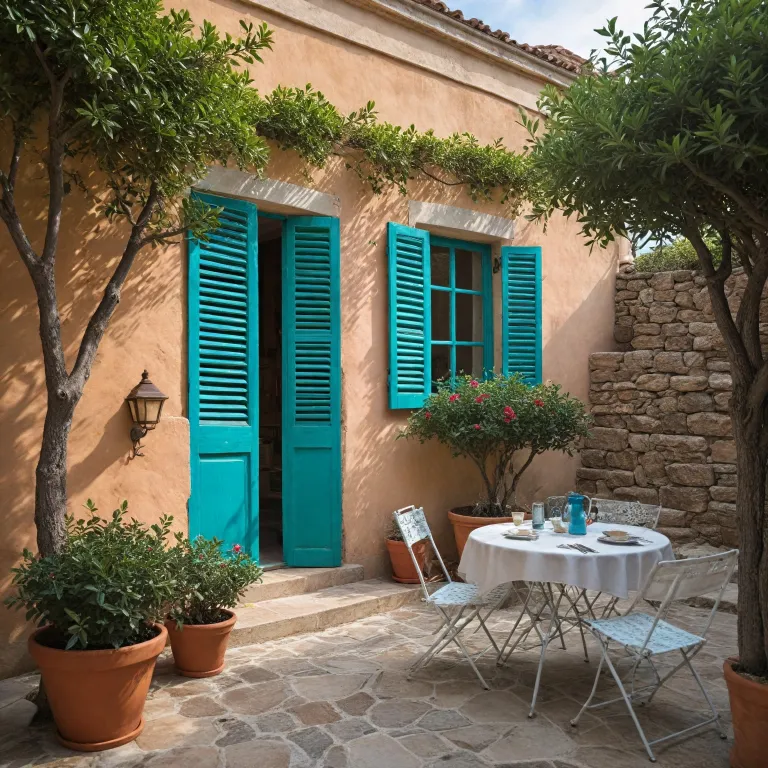
Choosing where to stay in Corsica for a refined budget escape
Understanding where to stay in Corsica starts with the shape of the island and your travel style. This mountainous corsican territory offers lively cities, quiet fishing villages, and remote valleys that feel dramatically wild yet still accessible. Before you book any hotel, decide whether your trip should focus on beaches, hiking, or a balanced stay that combines both.
Ajaccio suits travelers who want an elegant city base with a relaxed waterfront and easy access to nearby beaches. The capital city’s hotels range from simple rooms with compact bedrooms bathrooms to premium addresses with a pool and sea views that still respect a careful budget. Many visitors choose to stay Corsica in Ajaccio first, then continue north toward Calvi, Île Rousse, or Cap Corse for a second, more nature focused stay.
In northern Corsica, Calvi and Île Rousse offer some of the island’s best beaches within walking distance of the town centers. You will find hotels with family friendly pools, modest spa corners, and terraces that frame the dramatic citadel and mountains behind the bay. When you compare where stay options, always check availability early because occupancy in the best hotels can reach high levels in peak months.
For travelers who want to combine culture and coastline, Cap Corse and Saint Florent provide a refined yet understated base. Saint Florent curves around a sheltered gulf and gives easy boat access to a protected nature reserve with wild beaches that feel remote but safe. This area is ideal if you want to stay Corsica in a quieter setting while still enjoying excellent restaurants and discreetly luxurious hotels.
Ajaccio, Calvi and Île Rousse: coastal hubs with character and value
Ajaccio is often the first answer when people ask where to stay in Corsica for a mix of culture and sea. The city’s palm lined waterfront, markets, and museums pair well with day trips to nearby beaches and natural pools in the surrounding hills. You can choose a hotel along the main bay or in residential districts where prices stay lower but buses and taxis remain convenient.
Calvi, on the northwestern coast, is famous for its sweeping sandy beach backed by pine trees and a dramatic citadel. Here, hotels cluster between the marina and the beach, offering everything from compact rooms with shared pools to premium suites with private terraces and a pool overlooking the bay. Families appreciate the shallow water and easy access to restaurants, while couples often seek the quieter hotels set slightly above town.
Île Rousse feels more intimate, with a central square, a small port, and beaches that glow at sunset. Many travelers choose to stay Corsica in Île Rousse when they want a walkable town where the best hotels remain close to both the sea and the train station. When you compare where stay options between Calvi and Île Rousse, consider whether you prefer a livelier nightlife scene or a slower rhythm with cafés and small shops.
For travelers interested in art, design, and local craftsmanship, it can be useful to read about affordable comfort and convenience in city hotels to understand how midscale properties can still feel premium. In Ajaccio, Calvi, and Île Rousse, you will find corsican interpretations of this approach, with thoughtful details, curated local products, and attentive service. Always check availability early, especially if your trip falls during school holidays or major local events.
Saint Florent, Cap Corse and northern Corsica for dramatic landscapes
When travelers ask where to stay in Corsica for dramatic scenery and quieter beaches, northern Corsica often stands out. Saint Florent curves around a sheltered bay and gives access to the Agriates nature reserve, where boat shuttles reach wild beaches with clear water and pale sand. The small town offers a refined selection of hotels, many with pools and sea facing terraces that feel luxurious without excessive rates.
Saint Florent and the nearby village of Santa Maria also work well as bases if you plan to explore Cap Corse. This rugged peninsula offers winding coastal roads, stone villages, and viewpoints where the island’s mountains plunge into the sea in a dramatic way. Hotels here are fewer, so availability can be tight ; booking early is essential if you want specific bedrooms bathrooms configurations or a pool with a view.
Further along the coast, you will find natural pools and even small pools waterfalls in river valleys that cut through the mountains. These spots are popular with hikers who like to swim in freshwater after a long walk, so staying nearby reduces driving time and helps you enjoy the area at quieter hours. For budget conscious travelers who still want premium touches, it is helpful to read about premium hostels for budget travelers, then apply similar expectations when evaluating smaller corsican hotels.
In northern Corsica, the question of where stay often comes down to whether you prefer sea views or mountain access. Saint Florent, Santa Maria, and the villages of Cap Corse allow you to combine both, with short drives to beaches and inland trails. Remember that car rental is recommended in Corsica, because it gives you flexibility to reach remote coves and hilltop villages.
Porto, Piana and the west coast: where the island feels most dramatic
For many travelers, the most dramatic answer to where to stay in Corsica lies along the west coast between Porto and Piana. The small port of Porto Ota sits near the UNESCO listed Calanques de Piana and the Scandola nature reserve, where red cliffs plunge into intensely blue water. Hotels here often emphasize views, with terraces, pools, and dining rooms oriented toward sunsets that feel almost theatrical.
In Porto, availability can be limited because the village is compact and the surrounding landscape steep. When you compare where stay options, look closely at how far your hotel sits from the harbor, especially if you plan early morning boat trips into the nature reserve. Some properties offer pools and simple spa facilities, while others focus on clean rooms, practical bedrooms bathrooms layouts, and easy parking for road trippers.
The nearby village of Piana, perched above the coast, offers a different perspective on this part of the island. Staying here suits travelers who value quiet evenings, stone architecture, and quick access to hiking trails that cross the cliffs and forests. From both Porto and Piana, you can reach natural pools and small pools waterfalls in the inland valleys, which provide a refreshing contrast to the sea.
Along this stretch of coast, the corsican landscape feels particularly wild, so a car is almost essential. Many visitors choose to stay Corsica in Porto or Piana for two or three nights, then continue south toward Ajaccio or Porto Vecchio. This pattern allows you to experience both the dramatic cliffs of the west and the gentler beaches of the south within a single trip.
Porto Vecchio, Palombaggia and the refined south coast
Travelers who ask where to stay in Corsica for the island’s best beaches are often directed toward Porto Vecchio. This stylish town combines a marina, an old citadel, and easy access to famous beaches such as Palombaggia and Santa Giulia, where shallow turquoise water suits families and couples alike. Hotels in and around Porto Vecchio range from simple addresses in town to refined coastal retreats with pools and direct beach access.
On the hills above Palombaggia, les Bergeries de Palombaggia and the wider domaine Murtoli further south have helped define a discreetly luxurious style of corsican hospitality. Properties like les Bergeries focus on stone architecture, landscaped gardens, and pools that blend into the landscape rather than dominate it. Domaine Murtoli, spread across a vast private estate, offers restored shepherds’ houses and villas that feel remote yet carefully serviced.
Capu Biancu, near Bonifacio, follows a similar philosophy, with rooms and suites that open toward the sea and coves that feel almost private. Nearby, plage Casadelmar and other refined stretches of sand show why many consider this region the corsica best area for a special occasion stay. When you compare where stay options in this part of the island, pay attention to whether your hotel offers a pool, direct beach access, or boat transfers to quieter coves.
Because this coastline is so popular, availability in the best hotels can tighten quickly, especially for specific bedrooms bathrooms combinations. Many travelers choose to stay Corsica in Porto Vecchio for several nights, using a rental car to reach Palombaggia, plage Casadelmar, and other beaches. Late spring to early autumn offers pleasant weather, so planning ahead helps you secure the level of comfort you expect while keeping your budget under control.
Cap Corse, inland retreats and how to balance budget with luxury
Cap Corse and the inland valleys offer a thoughtful answer to where to stay in Corsica if you seek authenticity and value. On this narrow peninsula, small fishing villages and terraced hillsides create a sense of time standing still, while the sea remains ever present. Hotels here are often modest in size, with a few rooms, a pool, and owners who share detailed advice about local walks, beaches, and restaurants.
Inland, around Corte and the central mountains, you will find rivers that form natural pools and occasional pools waterfalls that attract swimmers in warm weather. Staying in these areas suits travelers who prioritize hiking, canyoning, and contact with the corsican interior rather than long days on the beach. Bedrooms bathrooms layouts may be simpler than on the coast, but prices often reflect this, allowing you to allocate more of your budget to activities and dining.
When evaluating where stay options across the island, think in terms of experiences rather than star ratings alone. A smaller hotel near a nature reserve or in northern Corsica might offer fewer facilities but more direct access to trails, viewpoints, and quiet coves. Reading about hotels that elevate local art and artisans can help you recognize similar values in corsican properties that support local producers and craftspeople.
In a luxury and premium booking website for budget hotels, filters for pools, proximity to beaches, and specific bedrooms bathrooms configurations become essential tools. Use maps to check how far each hotel sits from the sea, the nearest nature reserve, or the village center. Are there direct flights to Corsica? Yes, from major European cities.
Practical tips for booking the best hotels and planning your trip
To decide where to stay in Corsica, start by mapping your ideal route and splitting your stay between two or three bases. Many travelers combine a few nights in Ajaccio or Calvi with time in Porto Vecchio, Saint Florent, or Porto to experience different sides of the island. This approach allows you to enjoy both beaches and mountains without spending your entire trip driving between distant points.
On any booking platform, use filters to highlight the best hotels that match your priorities, whether that means a pool, family friendly bedrooms bathrooms, or walking distance to the beach. Check availability across several dates, because shifting your stay by one or two nights can significantly improve both choice and price. Late spring to early autumn offers pleasant weather.
When comparing where stay options, read recent guest reviews carefully, paying attention to comments about cleanliness, noise, and the accuracy of photos. Look for mentions of natural pools, nearby beaches, or access to a nature reserve if those elements matter to your trip. Is car rental recommended in Corsica? Yes, for flexibility in exploring the island.
Finally, remember that the corsican coastline and interior can feel dramatically different from one valley to the next. Northern Corsica, Cap Corse, Porto, and Porto Vecchio each offer distinct atmospheres, from wild cliffs to gentle bays and refined coves like plage Casadelmar. What is the best time to visit Corsica? Late spring to early autumn offers pleasant weather.
Key statistics about travel and stays in Corsica
- Number of annual visitors to Corsica : 3.5 million, according to the Corsican Tourism Board.
- Average hotel occupancy rate in peak season : 85 percent, based on data from the Corsican Hospitality Association.
Essential questions about where to stay in Corsica
What is the best time to visit Corsica?
The most comfortable period to plan your trip runs from late spring to early autumn, when temperatures are warm enough for swimming yet still pleasant for hiking. During these months, beaches, natural pools, and mountain trails are generally accessible, and most hotels, restaurants, and activity providers operate at full capacity. If you prefer quieter stays and easier availability in the best hotels, consider the shoulders of this period rather than the busiest summer weeks.
Are there direct flights to Corsica?
Yes, there are direct flights to Corsica from several major European cities, especially during the main travel season. These flights typically serve airports such as Ajaccio, Bastia, Calvi, and Figari, which correspond to different regions of the island and influence where to stay in Corsica. When planning your stay Corsica itinerary, it is wise to align your arrival and departure airports with your chosen bases, reducing long transfers and maximizing time at the beach or in the mountains.
Is car rental recommended in Corsica?
Yes, renting a car is strongly recommended in Corsica, because public transport remains limited outside main towns and does not always serve beaches or remote valleys. A car gives you the flexibility to reach natural pools, quiet coves, and hilltop villages, and it also widens your choice of hotels beyond the immediate town centers. When you compare where stay options, factor in parking availability and driving distances, especially if you plan to explore northern Corsica, Cap Corse, Porto, or the south coast around Porto Vecchio.