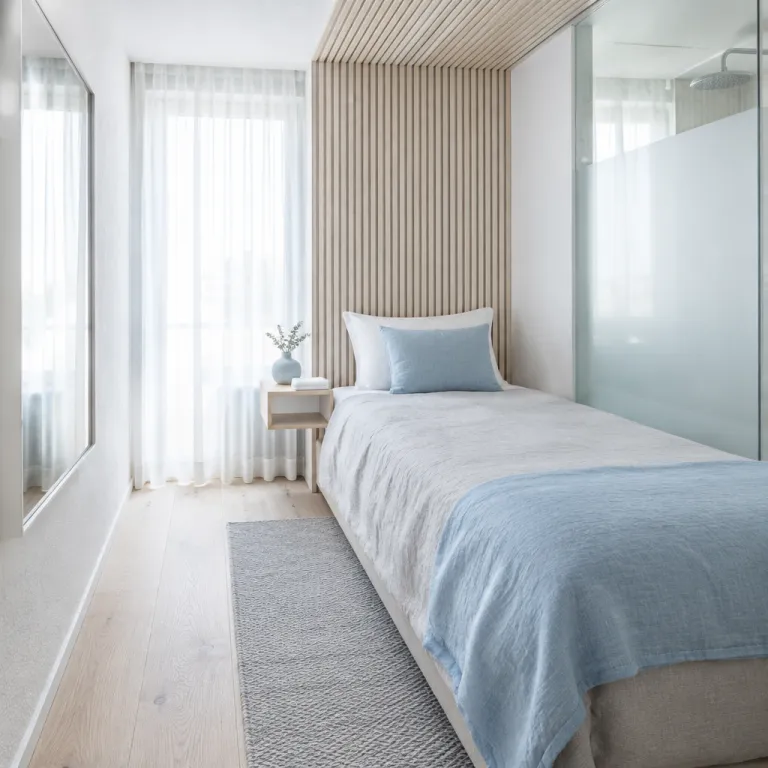
Why lighting matters more than square metres
Walk into a compact hotel room and your eyes judge the light before the size. Clever small hotel room lighting design can make a modest space feel like a private suite, while poor lighting shrinks even generous rooms into something that feels mean. In value driven properties, lighting is often the quiet difference between a forgettable night and a guest who feels they have found a mini oasis.
Good hotel lighting reshapes the perceived volume of the room, stretching walls, lifting the ceiling and softening corners. When a property layers ambient lighting, accent lighting and task lighting instead of relying on a single harsh ceiling lamp, the guest reads intention and care in every glow. That sense of considered lighting design signals that the hotel respects your time, your sleep and your need to unwind after the city outside.
Light also guides how you move through hotel spaces, from the hotel lobby to the guest room and finally to the bathroom. A warm pool of light near the bed invites you to read, while cooler room lighting at the desk keeps emails efficient without feeling clinical. In practice, that often means bedside lights set around 2700–3000K for relaxation and work areas closer to 3500–4000K for clarity. When you see this balance of color temperature, well placed lighting fixtures and roughly 150–250 lux for winding down versus 300–500 lux at the desk, you are looking at a property that understands comfort as clearly as it understands cost.
Suggested image ALT text: “Compact hotel bedroom with layered warm and cool lighting making a small room feel larger.”
The essential layers in a small hotel room
In a small hotel room, every lamp and every switch must earn its place. The most successful small hotel room lighting design starts with soft ambient lighting that washes the walls rather than blasting down from aggressive ceiling lights. This kind of indirect light from cove lighting, wall sconces or concealed LED strips makes the room feel wider, the ceiling higher and the overall space calmer for the guest.
Next comes bedroom lighting around the bed, which should mix focused task lighting with gentler lights for winding down. Look for a pair of adjustable light fixtures or wall mounted lamps with individual switches that let each guest read without flooding the entire hotel room, because this is where many budget properties quietly feel premium. Designers often aim for warm bedside lights at 2700–3000K and around 100–200 lux at pillow height, with intuitive controls placed within arm’s reach so guests are not hunting for switches in the dark. When you see this, you know the property has thought about real couples sharing tight rooms.
Then there is the working corner, where task lighting at the desk or table keeps screens legible without glare. A compact floor lamp, an adjustable desk lamp or a directional ceiling lamp with a focused beam can turn a simple surface into a functional workstation, which matters when you are choosing a hotel bedroom for both romance and remote work. For productivity, many operators target 300–500 lux on the work surface at a neutral white 3500–4000K, paired with blackout curtains and a lighting design that lets you dim everything to a low, warm glow before bed, which aligns with the focus on rest explored in this guide to a good night’s sleep as an economy hotel’s best value play.
Bathroom and vanity lighting complete the layering. A mix of overhead bathroom lighting and vertical light fixtures beside the mirror avoids harsh shadows on the face, while a dimmable night light or low level LED strip under the vanity keeps nocturnal trips gentle on sleepy eyes. Many compact rooms feel instantly more generous when the mirror area reaches 300–500 lux at 3000–3500K, because guests can shave or apply makeup without squinting.
Suggested image ALT text: “Diagram of a small hotel room showing ambient, task and accent lighting layers.”
Colour, mirrors and mini oasis tricks that stretch space
Colour and reflection can double the effect of thoughtful hotel lighting in compact rooms. Pale walls, light floors and simple fabrics bounce ambient lighting around the space, while darker accents near the bed or seating areas add depth without stealing square metres. When a property combines this with mirrors placed opposite windows or lamps, the guest experiences a room that feels open rather than cramped.
Smart small hotel room lighting design often hides the source of the light while celebrating its effect. LED strips tucked under the bed frame, behind the headboard or along the ceiling edge create a halo that reads as more generous space, especially when paired with warm color temperature around 2700–3000K. In a well considered guest room, these subtle lighting ideas turn awkward corners into calm areas for reading, dressing or simply pausing between city outings, while keeping overall brightness in the 150–300 lux range so the room feels soothing rather than stark.
Bathroom lighting deserves the same care, because a bright but flattering bathroom changes how you feel about the entire property. A compact shower room with a backlit mirror, a small recessed downlight over the shower and a soft night setting can feel like a spa even in an economy hotel. When an economy hotel uses mirrors, colour and layered lights this way, the room begins to feel closer to a compact city flat, echoing the principles outlined in this perspective on when a hotel room should feel like your own flat.
Suggested image ALT text: “Small hotel bathroom with backlit mirror, pale tiles and layered lighting that feels like a mini spa.”
Reading lighting quality before you book
Photos on a booking website can tell you a great deal about hotel lighting if you know where to look. Start with the main image of the hotel room and check whether the light feels even, with both ceiling lights and lower lamps visible, rather than a single overhead glare. If the bed area, desk and bathroom all have distinct lighting fixtures, the property is signalling attention to different guest needs within a small footprint.
Look closely at the color temperature in the images, because this shapes mood more than many travellers realise. A warm, golden tone around the bed and softer ambient lighting in the corners usually means the lighting design has been tuned for relaxation, while cooler light near the desk or wardrobe supports practical tasks. When every area glows at the same cold white, the room can feel flat, no matter how generous the actual floor space might be.
Reviews add another layer of truth, especially from guests who mention dim rooms, harsh lights or a gloomy hotel lobby. Pay attention when multiple travellers praise the brightness of the bathroom, the comfort of the bedroom lighting or the ease of using the switches at night, because these details rarely happen by accident. One economy hotel operator described upgrading from a single 4000K ceiling panel to layered 2700K bedside sconces and a 3500K desk lamp, and saw lighting related complaints drop to almost zero within a month. For a deeper sense of how thoughtful design choices elevate budget properties, it is worth reading this analysis of how budget hotels are redefining what value really means, which often starts with something as simple as better light.
Suggested image ALT text: “Screenshot of a booking page highlighting multiple light sources in a compact hotel room.”
What lighting reveals about a hotel’s priorities
Lighting is one of the clearest signals of how a property thinks about its guests. When you enter hotel spaces where the lobby lighting is harsh, the corridors feel gloomy and the guest room relies on a single ceiling lamp, you are seeing cost cutting rather than design. In contrast, a modest economy hotel that layers ambient lighting, accent lighting and task lighting is quietly telling you that comfort matters as much as occupancy.
In the hotel lobby, warm pools of light around seating areas invite you to linger, while clearer ceiling lights at reception keep check in efficient. Step into a well considered hotel bedroom and you will often find a trio of options : a main room lighting source, softer lights near the bed and focused task lighting at the desk or vanity. This mix lets each guest tune the space to their own rhythm, whether that means late night reading, early emails or a slow morning with coffee by the window.
Bathroom lighting is another honest indicator, because it is difficult to fake. A property that invests in layered bathroom lighting, with both overhead fixtures and side lights at the mirror, is usually paying attention to cleanliness, finishes and overall design. As one interior designer specialising in compact hotels puts it, “If the mirrors are bright, the corners are soft and the switches are obvious, the guest forgives almost everything else.” In the end, a small hotel room with thoughtful lighting fixtures, balanced color temperature and well placed lights will feel more generous, more romantic and more restful than a larger but dim, poorly lit room in a higher priced hotel.
Suggested image ALT text: “Economy hotel lobby with warm seating areas and brighter reception lighting showing guest focused priorities.”
FAQ
How can I tell if a small hotel room will feel bright enough ?
Check photos for multiple light sources, including ceiling lights, bedside lamps and a visible desk or floor lamp. Rooms that show both ambient lighting and accent lighting usually feel brighter and more flexible in real life. Reviews that mention good room lighting or a bright bathroom are also strong indicators, and if you can see clear, shadow free faces in mirror shots, the light level is probably in a comfortable 300–500 lux range.
What type of lighting is best for a romantic stay in a compact room ?
For a romantic mood, look for warm color temperature around the bed and dimmable lights. A mix of soft ambient lighting and focused bedroom lighting lets you shift from getting ready to winding down without harsh glare. Small hotel room lighting design that includes bedside controls is especially helpful for couples, and settings around 2700K with roughly 100–150 lux at the bedside usually feel cosy rather than gloomy.
Why does bathroom lighting matter so much in budget hotels ?
Bathroom lighting affects how clean and comfortable the entire space feels. A combination of overhead bathroom lighting and vertical light fixtures beside the mirror gives a flattering, practical result, especially when the mirror area reaches about 300–500 lux at 3000–3500K. When a property invests in this, it usually reflects broader care for guest comfort and design quality.
Is a small, well lit room really better value than a larger dim one ?
Many travellers find that a smaller hotel room with excellent lighting design feels more comfortable and premium than a larger but poorly lit space. Good hotel lighting makes it easier to relax, work and get ready, which directly affects your stay. For value conscious guests, this often matters more than a few extra square metres, especially when the room offers clear task lighting at the desk and soft, warm ambient lighting for rest.
What should I look for in photos if I work remotely while travelling ?
If you plan to work, check that the guest room shows a clear desk or table with dedicated task lighting. Cooler light near the work area and warmer light near the bed create a helpful separation between focus and rest. Properties that show both types of lights usually support remote work better, even in compact rooms, and a visible desk lamp or spotlight aimed at the work surface suggests you will have enough brightness for long laptop sessions.