The quiet revolution in economy hotel design details
Walk into a well run economy hotel and the first impression can surprise. The hotel lobby often feels calm and efficient, with hospitality teams guiding guests straight to their rooms instead of to a queue. This is where economy hotel design details quality quietly outperforms many luxury hotels that still prioritise spectacle over flow.
Comparative design audits show that economy hotel designers focus on practical layouts and durable materials, while luxury hotel designers sometimes chase visual drama that raises cost without improving guest experience. As one recent analysis put it with disarming clarity ; "Economy hotels focus on practical layouts and durable materials." and "Why do luxury hotels sometimes overlook functionality?" "Luxury hotels may prioritize aesthetics over practical design elements." These statements echo what frequent travellers already feel in their bones when a marble clad lobby leads to a confusing corridor and a dim hotel room.
For couples booking through a luxury and premium platform that curates budget friendly hotels, the question is not star rating but how the room will actually work. The best hotels in this luxury economy segment use high quality yet cost effective materials, then let thoughtful hotel design do the heavy lifting for comfort. When hotels focus on function first, the result is a hotel experience where every square metre feels intentional rather than compromised.
Mini oasis spaces in compact rooms : intimacy without compromise
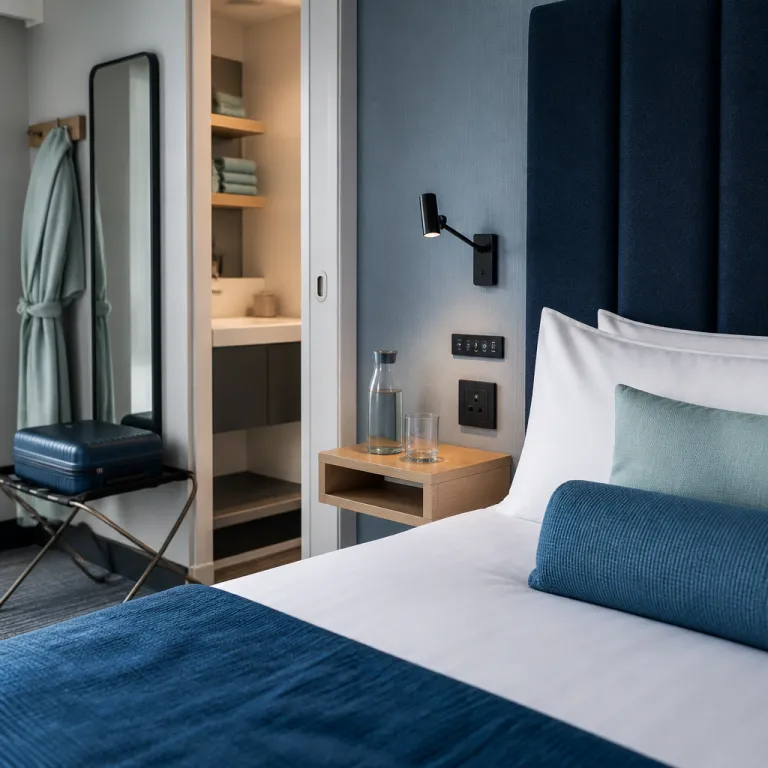
Constraint can be a gift when hotel rooms are small but well planned. In a clever economy hotel, a 16 square metre room can feel room rich, with a defined mini oasis space for a couple to read, share a glass of wine or simply decompress. This is where economy hotel design details quality becomes tangible, because the room layout respects how guests actually move and rest.
Look for hotel designs where the bed faces a window, a soft chair anchors a corner, and lighting zones carve out a cocoon that feels intimate rather than cramped. These mini oasis spaces rely on compact but comfortable furniture, warm materials and lighting that can dim low, which helps cost conscious hotel brands deliver a luxury feel without luxury hotel prices. Design first economy hotel brands such as citizenM and Moxy have shown that a smaller hotel room with a great mattress, strong shower and intuitive controls can beat larger luxury hotels resorts where form overwhelms function ; this design revolution is unpacked in detail in this guide to clever affordable hotel design.
For couples planning a short term city break, these mini oasis corners become the emotional centre of the hotel experience. During a long term stay, the same spaces help reduce visual clutter and mental fatigue, because every item of furniture earns its place. When an economy hotel gets this balance right, guests feel quietly looked after, and the cost fades into the background.
Smart furniture, storage and lighting that luxury hotels overlook
Some of the most effective economy hotel design details quality are almost invisible until you miss them elsewhere. A luggage shelf at the right height, a bench that doubles as storage, or a headboard with integrated shelves can transform how a room feels. These elements help cost conscious hotels deliver high quality comfort without adding square metres.
In many luxury hotels, furniture is chosen to impress in photographs, yet it often steals usable space from guests. Oversized armchairs, decorative tables and a forest of cushions can make a hotel room feel cluttered, while a well edited economy hotel room uses fewer but smarter pieces that help reduce chaos. Thoughtful hotel designs prioritise under bed storage, wall mounted desks and slim wardrobes, which allow couples to unpack properly during both short term escapes and long term stays.
Lighting is another area where luxury hotels sometimes misstep with tablet controlled systems that require a tutorial. In contrast, the best luxury economy properties use simple switches, focused reading lamps and blackout curtains that actually block light, which dramatically improves guest experience for couples on romantic breaks. For travellers weighing different hotel brands, guides such as this piece on design led romantic stays show how smart furniture and lighting choices can make a compact room feel indulgent.
How to read photos and reviews to judge design quality
Evaluating economy hotel design details quality before you book starts with slowing down over the photos. Look beyond the wide angle shots and study where luggage might go, how far the bed sits from the wall, and whether there is a real mini oasis space for two. A hotel that shows multiple angles of its rooms is usually more confident about its design than one that hides behind mood lighting.
Guest reviews are equally revealing when you know which phrases to track. Comments about strong shower pressure, quiet rooms, blackout curtains and comfortable furniture signal that the hotel experience has been shaped by practical hospitality teams, not just by a branding agency. When several guests mention that a small room still feels generous or that the feel room is cosy rather than cramped, you are likely looking at a hotel design where constraint has been handled with skill.
For couples who value culture as much as comfort, properties that integrate local art into compact spaces often show the same attention to detail elsewhere. A curated wall piece above the bed or a small reading nook with regional magazines can indicate that the hotel brands its rooms as part of the neighbourhood, not as generic boxes. You can see this approach in practice in guides to art forward economy hotels in historic cities, where high quality design and budget friendly pricing coexist comfortably.
Choosing luxury economy stays that feel genuinely premium
For a couple using a luxury and premium booking website focused on budget hotels, the goal is to filter for economy hotel design details quality rather than for pure spectacle. Start by prioritising hotels where rooms are compact but clearly zoned, with a defined sleeping area, a small workspace and a mini oasis corner for unwinding. This layout often signals that hospitality teams and designers have collaborated closely to shape a coherent guest experience.
Next, pay attention to how hotels describe their materials and finishes. Phrases such as high quality linens, solid wood furniture and sound insulated rooms usually indicate that the cost has been invested where guests feel it most, rather than in showpiece lobbies. When hotels focus on durable materials and simple maintenance, they can stay budget friendly and cost effective over the long term, which benefits both guests and operators.
Finally, consider how the wider portfolio of hotel brands on a platform treats the idea of luxury economy. Some hotels resorts within these collections now offer compact, design led floors that quietly outperform their own luxury hotel suites in terms of sleep quality and ease of use. For couples who care more about a calm, well lit hotel room than about a grand entrance, these properties help reduce decision fatigue and turn a simple stay into a reliably comfortable hotel experience.
FAQ
How do economy hotels prioritise design compared with luxury properties ?
Economy hotels typically prioritise practical layouts, durable materials and intuitive furniture over statement pieces. This approach keeps cost under control while still delivering high quality comfort where guests feel it most. Luxury properties sometimes reverse this balance, investing heavily in visual drama that does not always improve the guest experience.
Which specific design details should couples look for in a compact room ?
Couples should look for a comfortable bed, focused reading lights, blackout curtains and a defined mini oasis space such as a small seating corner. Smart storage under the bed or in wall mounted units helps reduce clutter during both short term and long term stays. When these elements are present, a compact hotel room can feel roomier and more romantic than a larger but poorly planned space.
Why do some luxury hotels feel less comfortable than well designed economy hotels ?
Some luxury hotels prioritise complex technology, oversized furniture and decorative elements that photograph well but reduce usable space. When lighting controls are confusing or when there is nowhere practical to place luggage, guests feel the gap between appearance and function. Well designed economy hotels avoid these pitfalls by keeping controls simple and furniture scaled to the room.
How can I tell from reviews whether an economy hotel has good design quality ?
Look for repeated mentions of quiet rooms, strong showers, comfortable beds and clever storage in guest reviews. Comments that a small room still feels generous or that the layout works well for two people are strong positive signals. Complaints about noise, awkward bathrooms or nowhere to unpack suggest that design quality may be lacking.
Are design led economy hotels suitable for long term stays ?
Design led economy hotels can work very well for long term stays when storage, lighting and seating are carefully planned. A compact wardrobe, a proper desk and a comfortable chair can make a small space feel liveable for weeks. When these details are in place, couples often find that a cost effective economy hotel delivers a more relaxed hotel experience than a larger but less thoughtful property.